Austen’s Enduring Legacy
Tanya Strydom reflects on Jane Austen’s extraordinary literary legacy — and why, 250 years on, “She could not have bestowed her writings on a more grateful audience.”
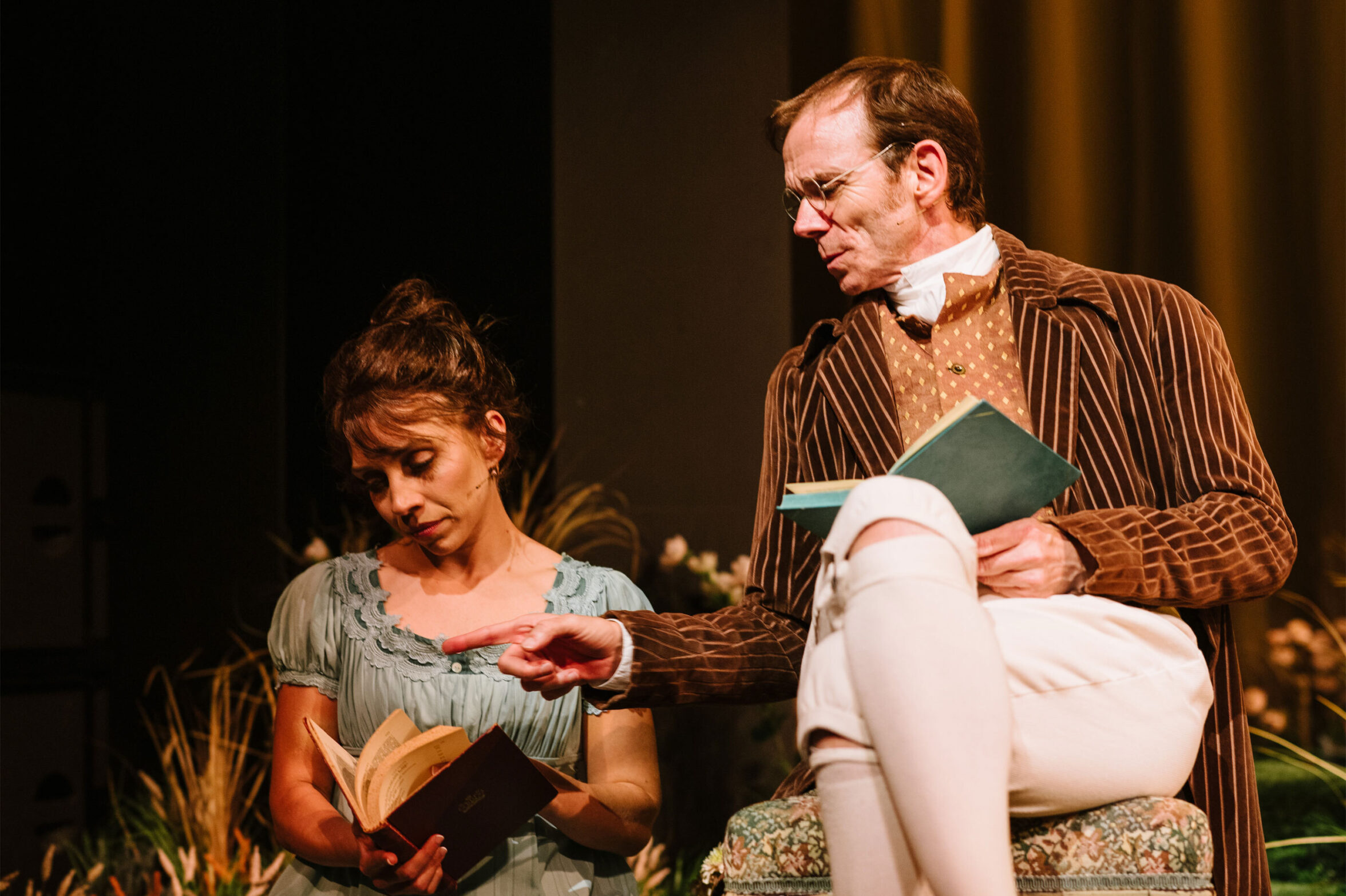
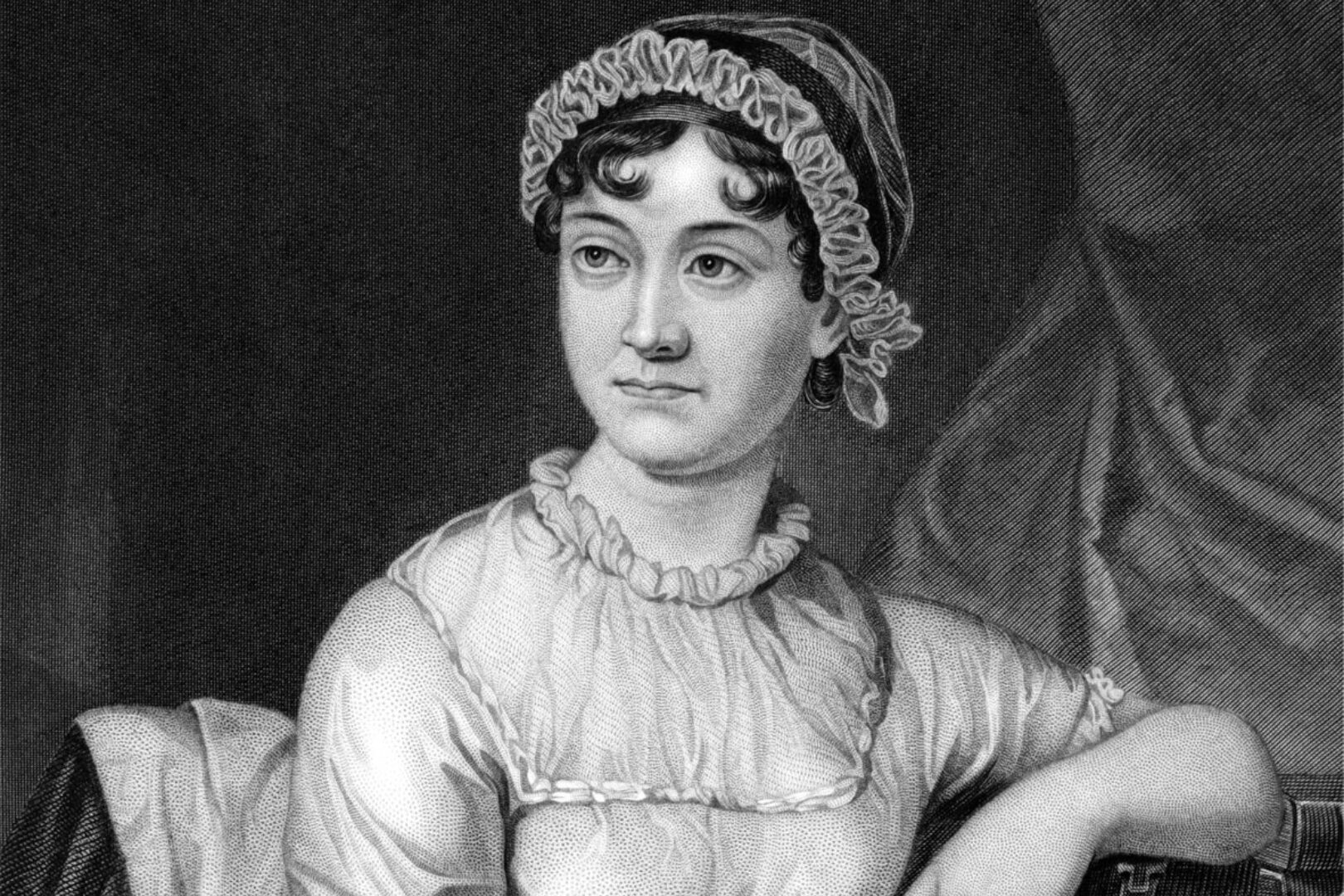
250 years ago, a woman swept onto the English scene, a woman destined to reshape the world of literature and inspire readers through her vivacious, perceptive, and unique writing. To read Austen’s work is to know the woman herself, to view society through her eyes, and to appreciate culture in all its complexities, contradictions, and absurdities.
From the opening scene of Jane Austen’s Pride and Prejudice, her “truth universally acknowledged” and the trumpeted arrival of the eligible Mr. Bingley set the tone, one which permeates the rest of the novel: witty, sarcastic, and spot-on. With the introduction of the rest of the cast—including Elizabeth Bennet, with whom Austen most closely identified, and Fitzwilliam Darcy—the momentum of the book carries its readers through assembly rooms, English countryside, and “fine houses,” all of which fade into the background as Austen’s colourful characters take centre stage.
The clashes between Elizabeth and Darcy send sparks flying, and each rapier-rapid battle of wits strips away another difference until only a kindled and ardent passion remains, Lizzy’s “wretched blindness” undone and Darcy’s redemptive character arc complete. When pride is humbled and prejudice crushed, a love story emerges to captivate a universal audience.
Jane Austen has captured generation after generation because she has captured human nature.
So, what makes Austen different? Why have her works not only survived the two and a half centuries but also formed the backbone of modern literature, film, theatre, book clubs, and writing societies? Jane Austen has captured generation after generation because she has captured human nature. Her writing holds out a mirror and laughingly reflects the real world, not as it was, but as it is. Readers fall in love with her characters because in each they recognise someone from their own life—bustling Mrs. Bennet, garrulous Mr. Collins, dynamic Lizzy, or domineering Catherine de Bourgh.
Jane Austen, revolutionary in the literary world yet anonymous in her own day, revealed the centrality of human nature and relationships, not afraid to applaud or mock as needed, recognising, “For what do we live, but to make sport for our neighbours, and laugh at them in our turn?” Her six beloved novels, Pride and Prejudice, Sense and Sensibility, Emma, Mansfield Park, Persuasion, and Northanger Abbey, navigate a journey of unrequited love, crushed hopes, and soaring emotions, built on a foundation destined to stand the test of time.