Broadcast to the World: On Screen and On Stage
Video Designer Craig Wilkinson shares how vintage television, archival imagery and projection shape the world of The Sapphires — framing war, pop culture and national identity through the screen, while helping the story move between history, memory and theatrical imagination.
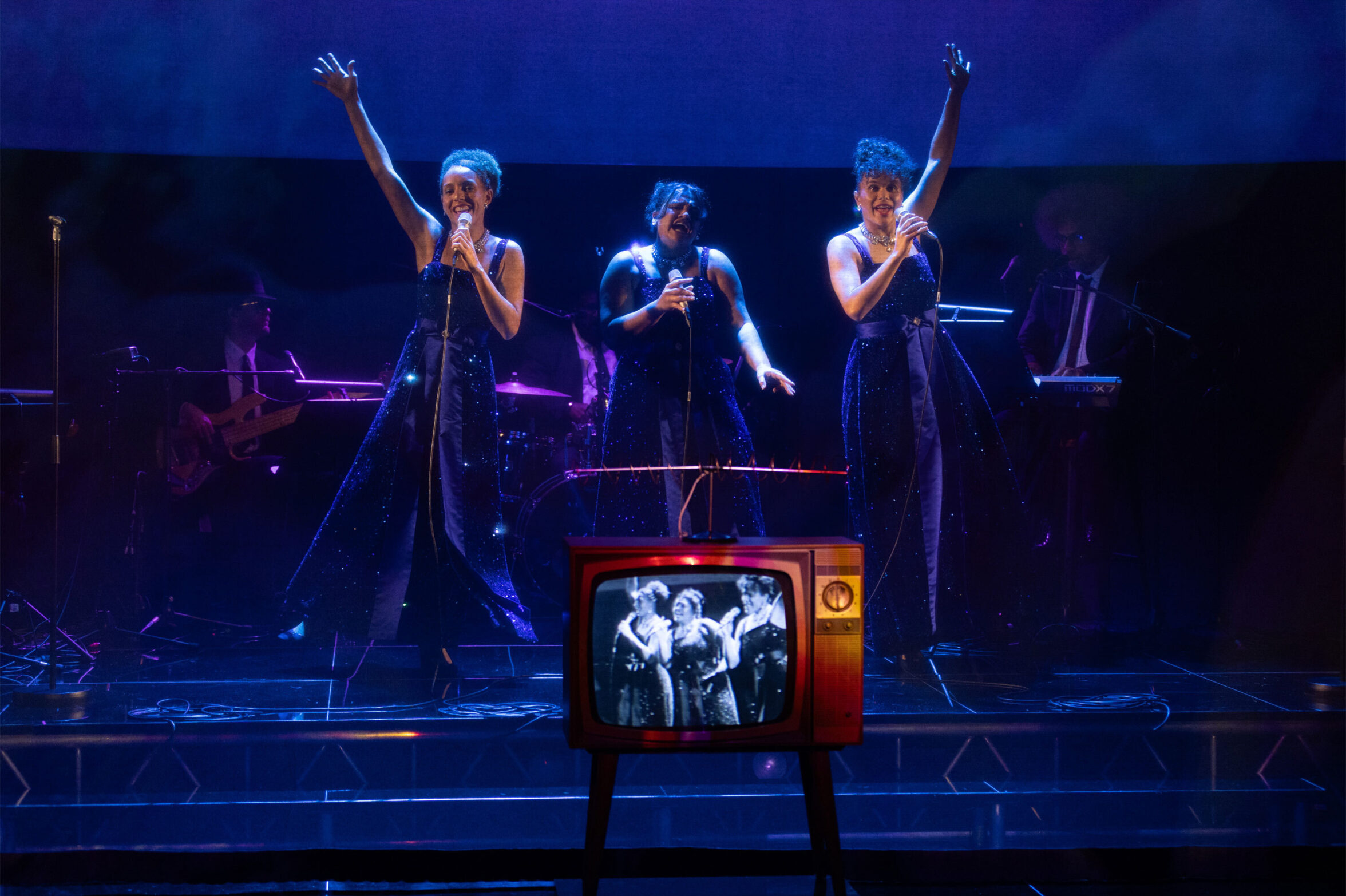
Before the show begins, there is a television.
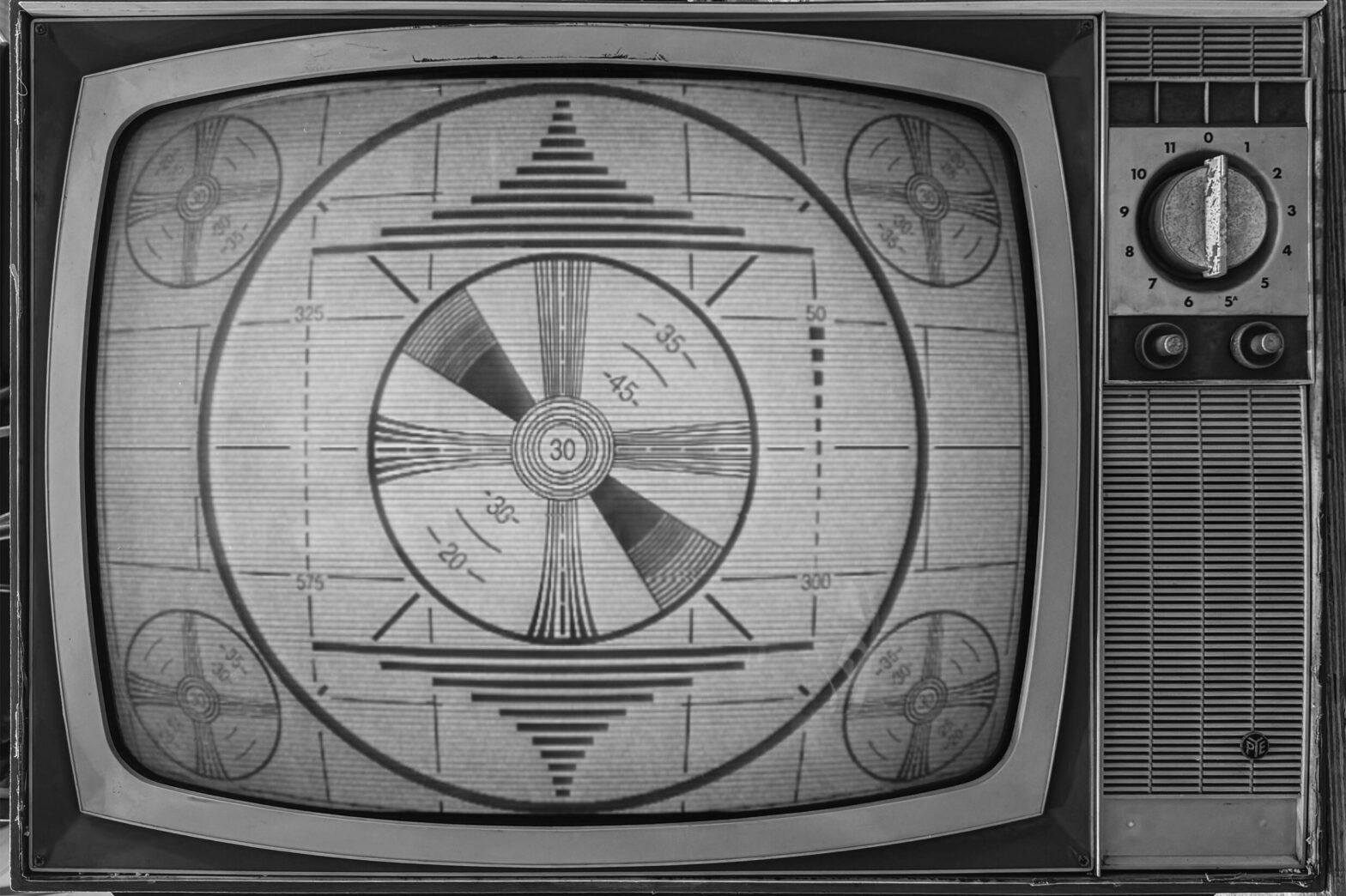
A single vintage black-and-white set sits centre stage, idling on a test pattern, waiting for broadcast. For Craig Wilkinson, Video Designer on The Sapphires, that image anchors the production firmly in time and place while quietly shaping how the story is experienced.
“We begin with a single vintage black-and-white television centre stage, idling on a test pattern, waiting for broadcast,” Wilkinson says.
By the 1960s, television ownership had surged, and the Vietnam War became the first conflict to be widely broadcast into people’s homes. News footage, often captured alongside troops, could be seen within days, sometimes hours. What had once felt distant arrived suddenly through the screen.
“Media becomes a lens through which the world of these women is framed — war, pop culture, and the personal politics unfolding closer to home,” he says.
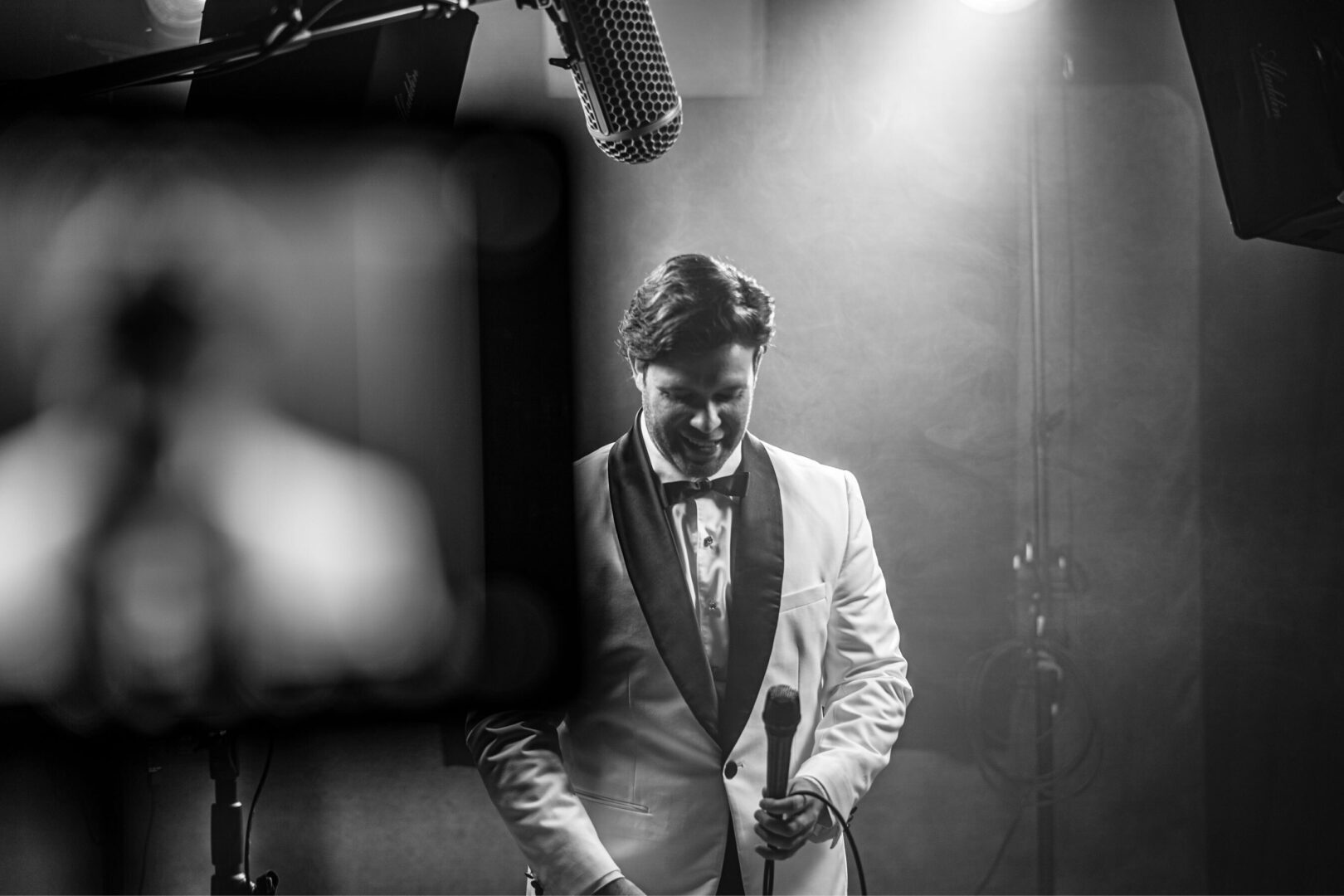
The scenic world is grounded in the language of a television studio of the era. Projection expands that language, allowing the stage to move between the literal and the psychological without losing its theatrical frame.
“Projection expands this language, allowing the stage to slip between the literal and the psychological,” Wilkinson says.
Video functions less as scenery and more as a narrative tool, helping guide the audience through the story. A broadcast image can locate a moment. The screen moves in and out of the scene, shaping how time, place and memory sit alongside the performers.
The stage slips between the literal and the psychological.
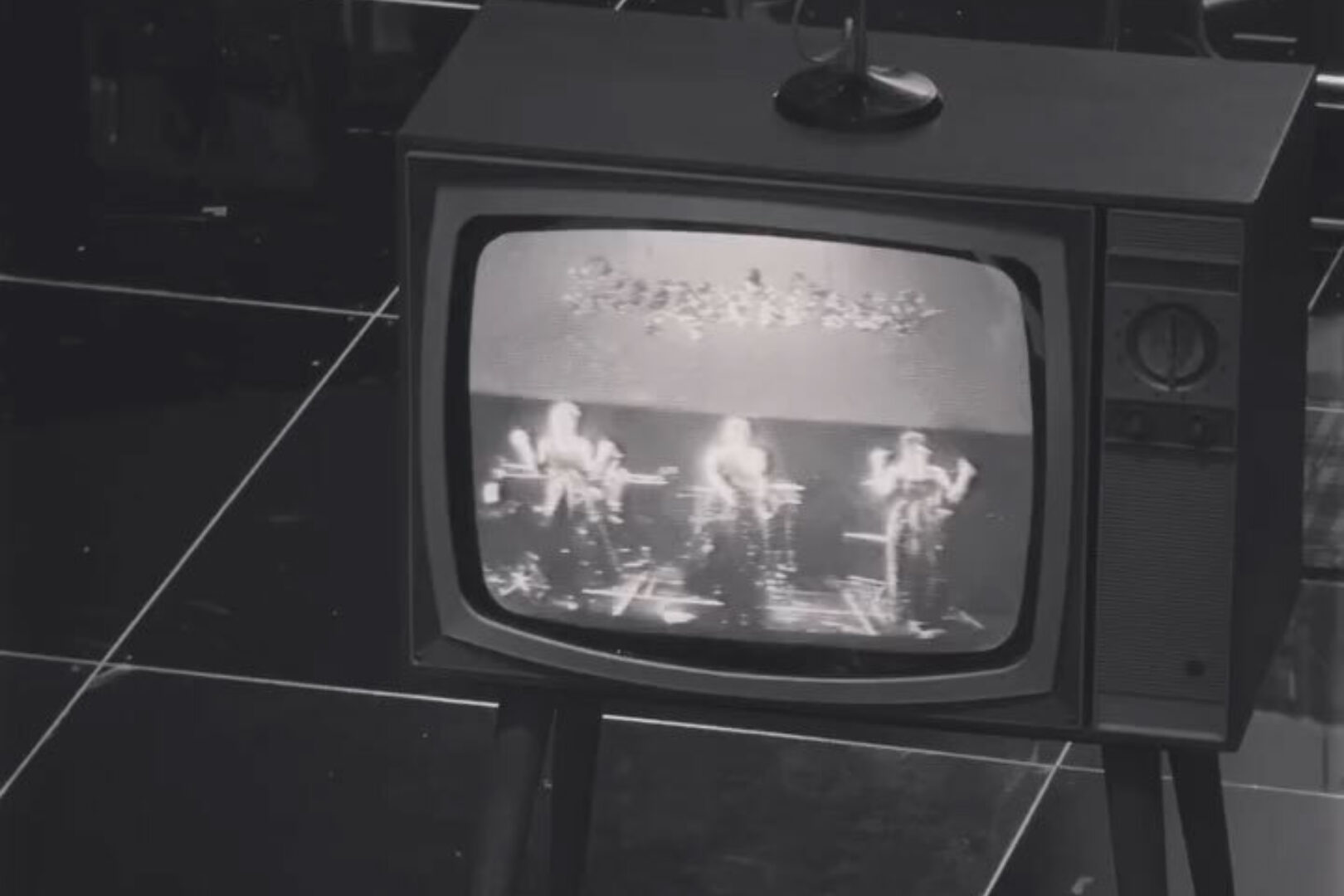
Working with archival material brings its own weight. The images are specific, and they belong to a particular history.
“Working with archival material inevitably brings you face to face with the reality of the period and the Vietnam War itself,” Wilkinson says.
Images such as Nick Ut’s photograph of Phan Thị Kim Phúc remain confronting reminders of the human cost behind the headlines.
Today, images arrive differently: refreshed endlessly, consumed quickly. In contrast, the 1960s demanded attention.
“You tuned in, you watched, you absorbed,” Wilkinson says.
That shift sits inside the design.
Because this story is grounded in real events, the design sits in a careful balance between authenticity and interpretation. The historical backdrop is ever-present, but it also operates as something more subtle.

“The historical backdrop is ever-present, but it also operates as a kind of Trojan horse,” Wilkinson says.
It is woven into a story about music, identity and who we are as a nation. From the 1967 Australian referendum to more recent moments of national reflection, the parallels between past and present remain close.
There is also a moment in this production where video enables what has previously been impossible to stage. An airplane sequence, considered too complex in earlier versions, comes to life through a hybrid of film language and theatrical thinking: a handful of airplane chairs, some curtains, a television and haze.
“With a handful of airplane chairs, some curtains, a television, and some haze, the scene lifts off without ever leaving the halls of QTC,” Wilkinson says.
The illusion is built as much on theatrical imagination as it is on technology. The pieces remain visible, but together they carry the scene.
Sitting in the theatre, the screen is never separate from the story. It holds the world around these women — broadcast, framed, questioned — while they step forward into it.