Finding the Warmest Spaces in the Coldest Places
A personal reflection by Assistant Director Kate Wilson
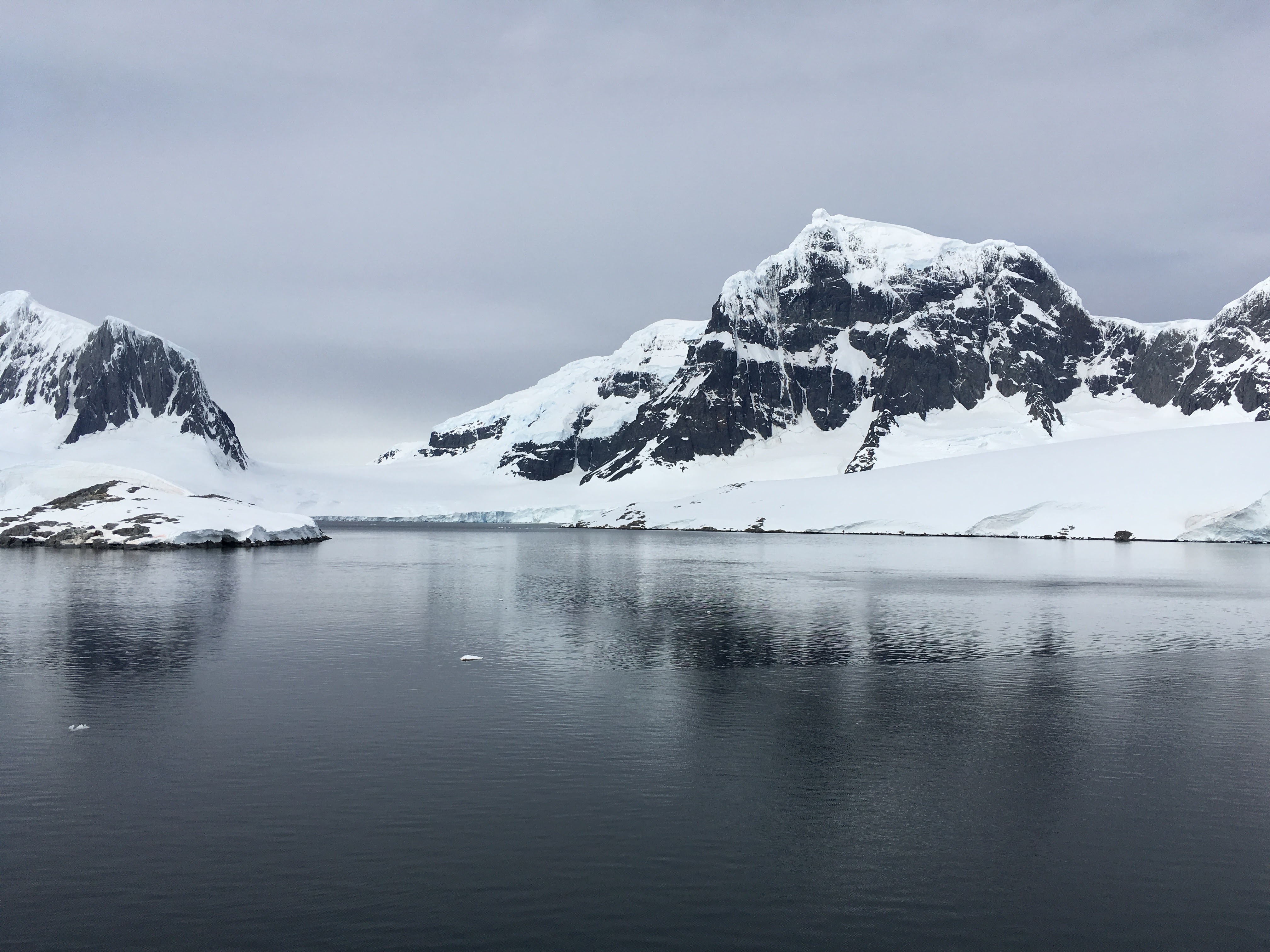
To experience the wildness and weirdness of Antarctica is to come closest on Earth to another world. Its emotional and sensory impact is overwhelming: the remoteness, changeability, blinding whiteness, impossible quiet, and lack of all that is familiar. When I visited some years ago I fell in love with the ice - its colours, shapes and unfathomable scale: enormous icebergs, monster tabular ice-shelf breakaways, little sea growlers, deep snowdrifts on absurdly steep glaciers. Yet the limitless horizons and endless daylight also terrified and disoriented me. This magnificent polar world eventually swallowed up Scott’s doomed 1912 Terra Nova Expedition, and it serves as the central metaphor for Patricia Cornelius’ play Do Not Go Gentle.

The Dylan Thomas poem that gives the play its title was written as an act of furious love - a son urging his father not to surrender to “the dying of the light” but to embrace mortality boldly. In one of history’s most famous exit lines, Capt. Lawrence Oates, a member of Scott’s team, exhausted, frostbitten, and convinced he was slowing them down, walked out of their tent into a blizzard. "I am just going outside," he said, "and may be some time." He chose, in that moment, death on his own terms.
Do Not Go Gentle takes the defiant impulse, recasts the mythology of masculine endurance and heroics and places it inside aging bodies -men and women - who are losing the thread of their identities. It asks us to witness them not with pity but with recognition.
We are living longer than any previous generation and close to 446,500 Australians are living with dementia. Yet, in a society that still measures value through youth, we conspicuously fail to consider those affected with honesty and compassion.
Do Not Go Gentle is a work that examines the struggle for dignity and purpose at life’s end. Patricia Cornelius weaves humour and despair in a poetic and unsentimental register. Instead of despair or caricature there is joy, imagination, endurance, and friendship even as body and mind fail.
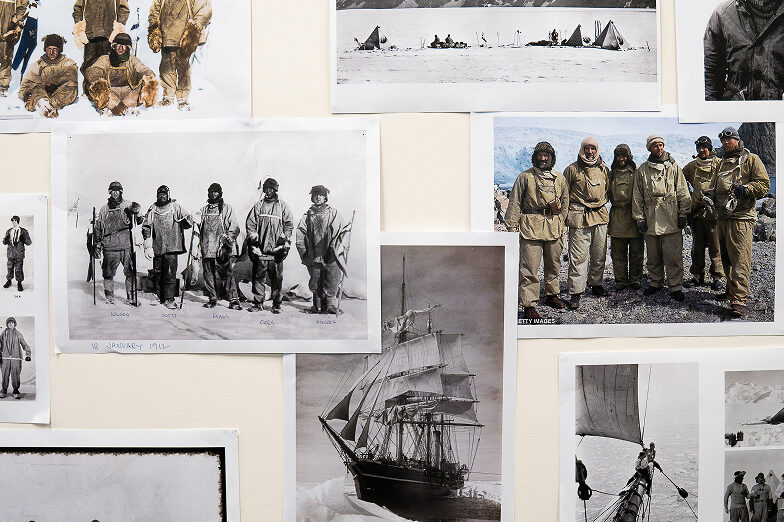
Ice forms the play’s landscape and liminal dreamspace: a literal memory care home and a shifting interior world. Characters double as Scott's team and as residents of the home, moving between an institutional present and an interior world of memory; their dementia reframed as polar dislocation.
When I was in Antarctica the tour’s ornithologist pointed out a lone Macaroni penguin, golden-tufted and out of place among a colony of sleek Chinstraps. For more than a decade, it had returned to the same partner and same nest, each season taking turns incubating eggs that would never hatch. Macaronis and Chinstraps cannot interbreed, yet neither bird abandoned the other. From the harshest of landscapes emerged the tenderest of impulses: to keep faith long after the outcome stopped making sense. Perhaps that is what Do Not Go Gentle asks of us—to remain beside one another, even when the story cannot be resolved.
Kate Wilson
Assistant Director, Do Not Go Gentle