Moving Together: Finding the Rhythm
Choreographer Yolande Brown reflects on the movement of The Sapphires — how rhythm, instinct and trust help the cast move as one, bringing the story’s joy and energy to life.
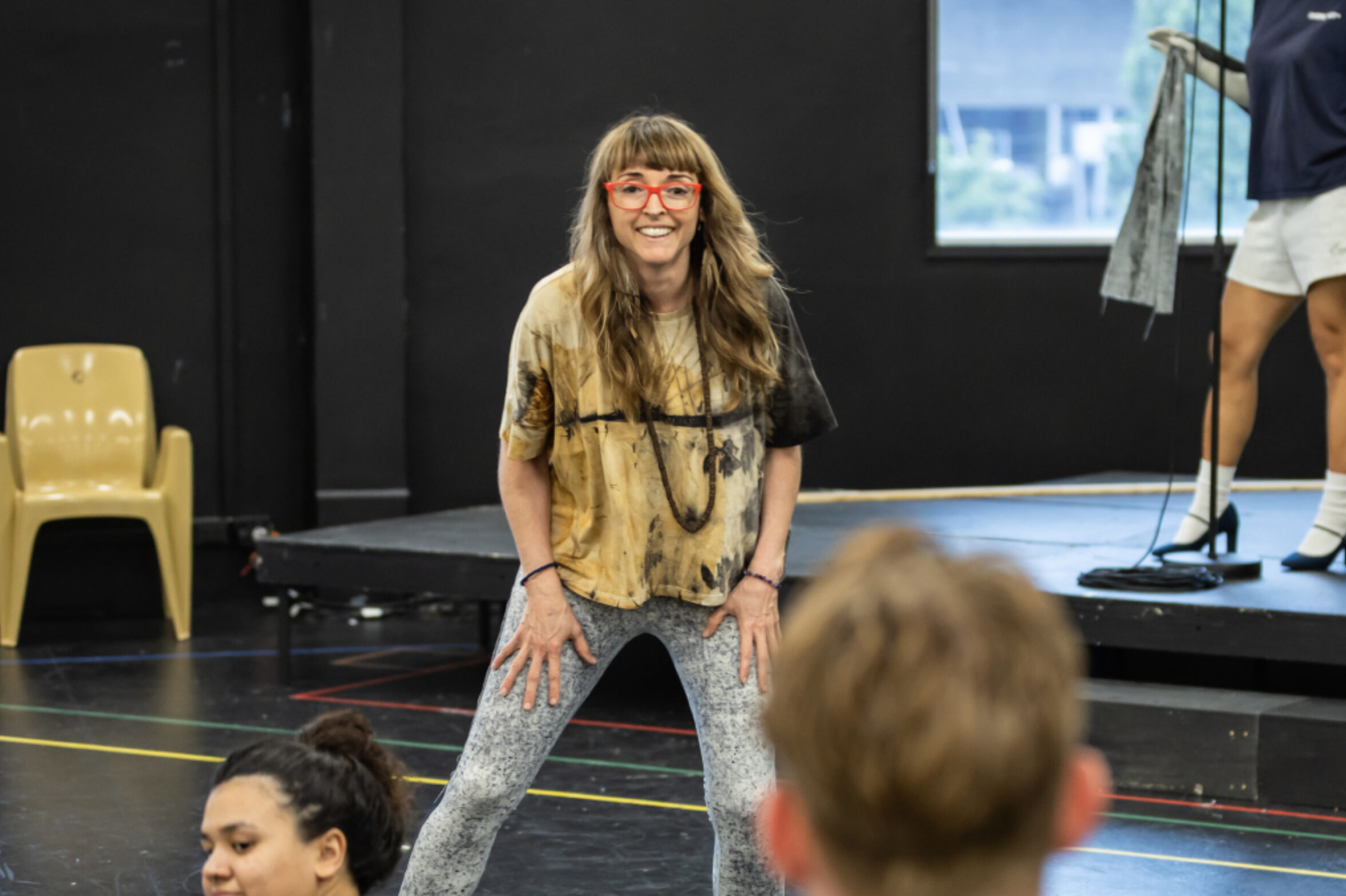
In the rehearsal room, there’s often a moment at the start where the question sits quietly: am I a dancer?
It doesn’t always get spoken, but Yolande Brown recognises it straight away — that small hesitation before movement fully arrives. As Choreographer for The Sapphires, she doesn’t try to move past it. She lets it sit, knowing what tends to follow.
“Dancing is one of the most natural human instincts,” she says.
In those early rehearsals, the movement can feel held back — approached carefully, placed rather than lived. Brown describes what follows as a “joyful remembering,” a return to something already there.
You can see it happen. Someone marks the movement lightly at first, keeping it contained, then lets it travel further the next time. Another watches, then joins in. With each pass, the choreography begins to sit differently in the body — less placed, more inhabited.
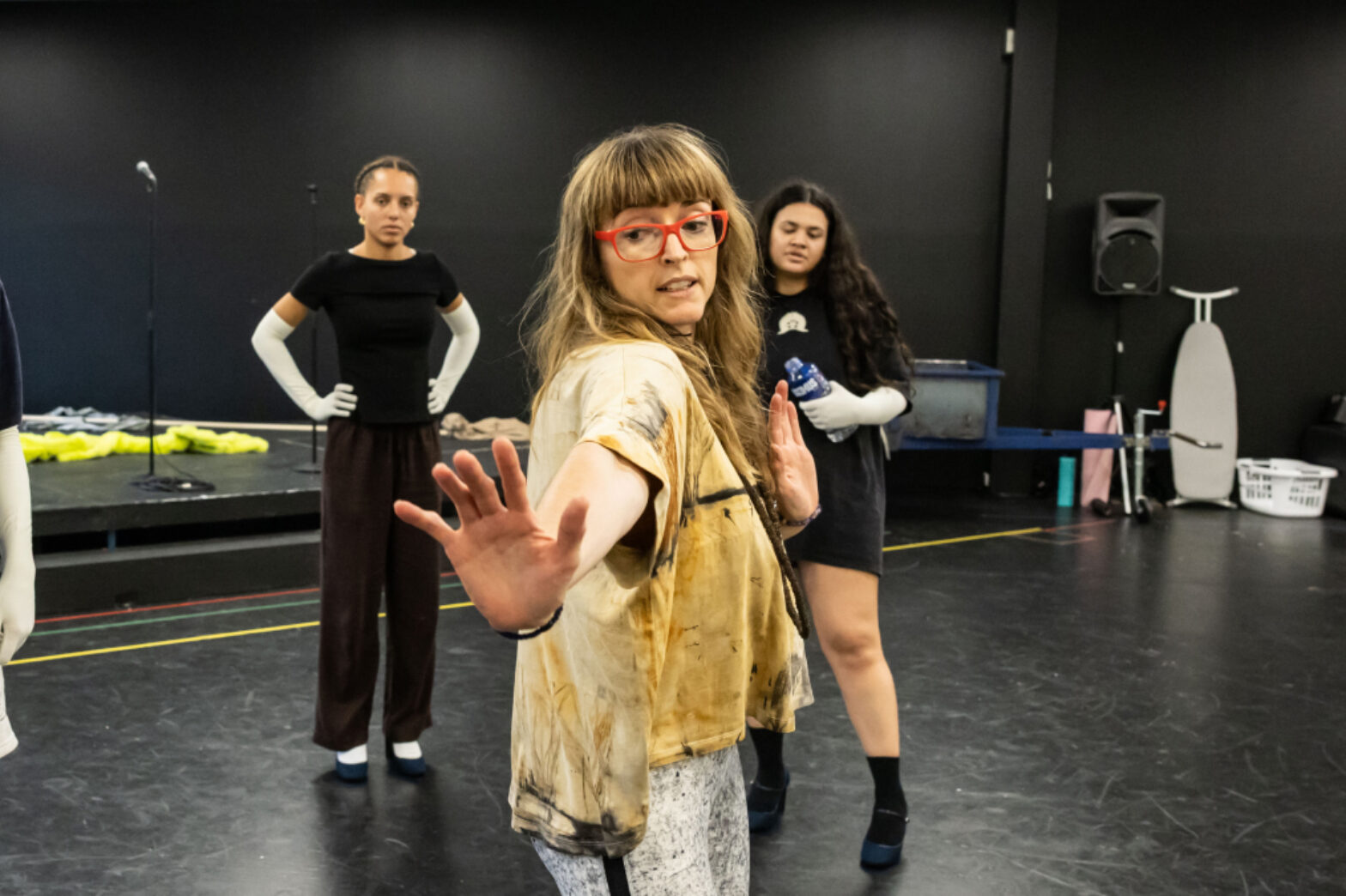
At first, the focus is on accuracy: the shape of a step, the timing of a turn, where the body needs to be. The attention shifts as the performers begin listening to each other, responding rather than anticipating, letting the movement connect to character, to story, and to the people around them.
Musicals ask performers to juggle a lot — it’s like speaking three languages at once: movement, music and text.
At the beginning, those layers can feel slightly out of sync, or a bit effortful. Something might look right, but not quite feel right yet. Then, slowly, it all starts to click.
The shift is clear to watch. The performers stop pushing and start being carried — by the rhythm, by each other, by the story. The movement softens, the groove settles in, and everything becomes more grounded, more connected, more alive.
When it lands, the room shifts with it. “You can feel it straight away — it’s like the room lights up,” Brown says. The performers aren’t thinking ahead; they’re responding — to the music, to each other, to the moment they’re in.
“There’s this shared current that runs through the cast and out into the audience,” she says.
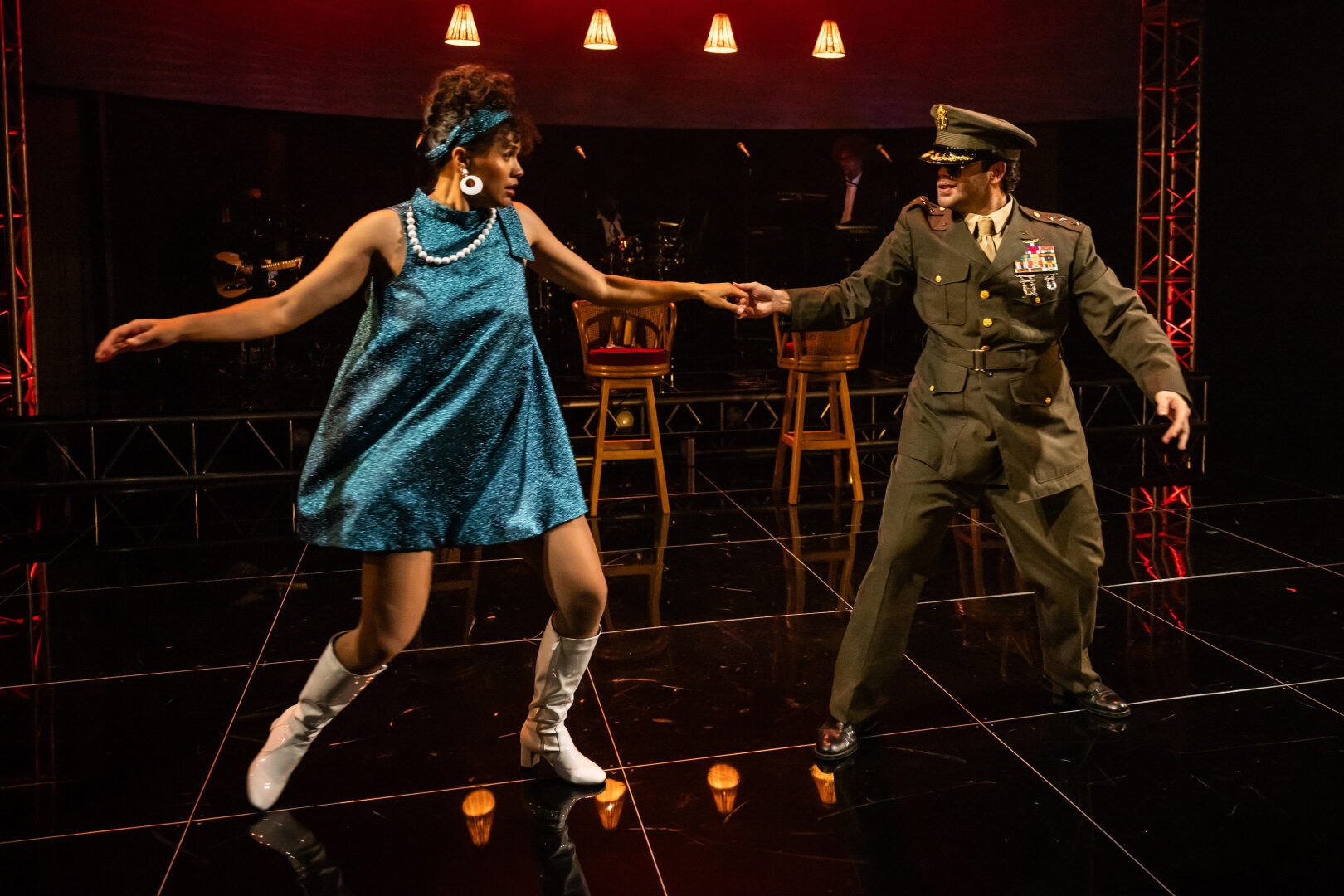
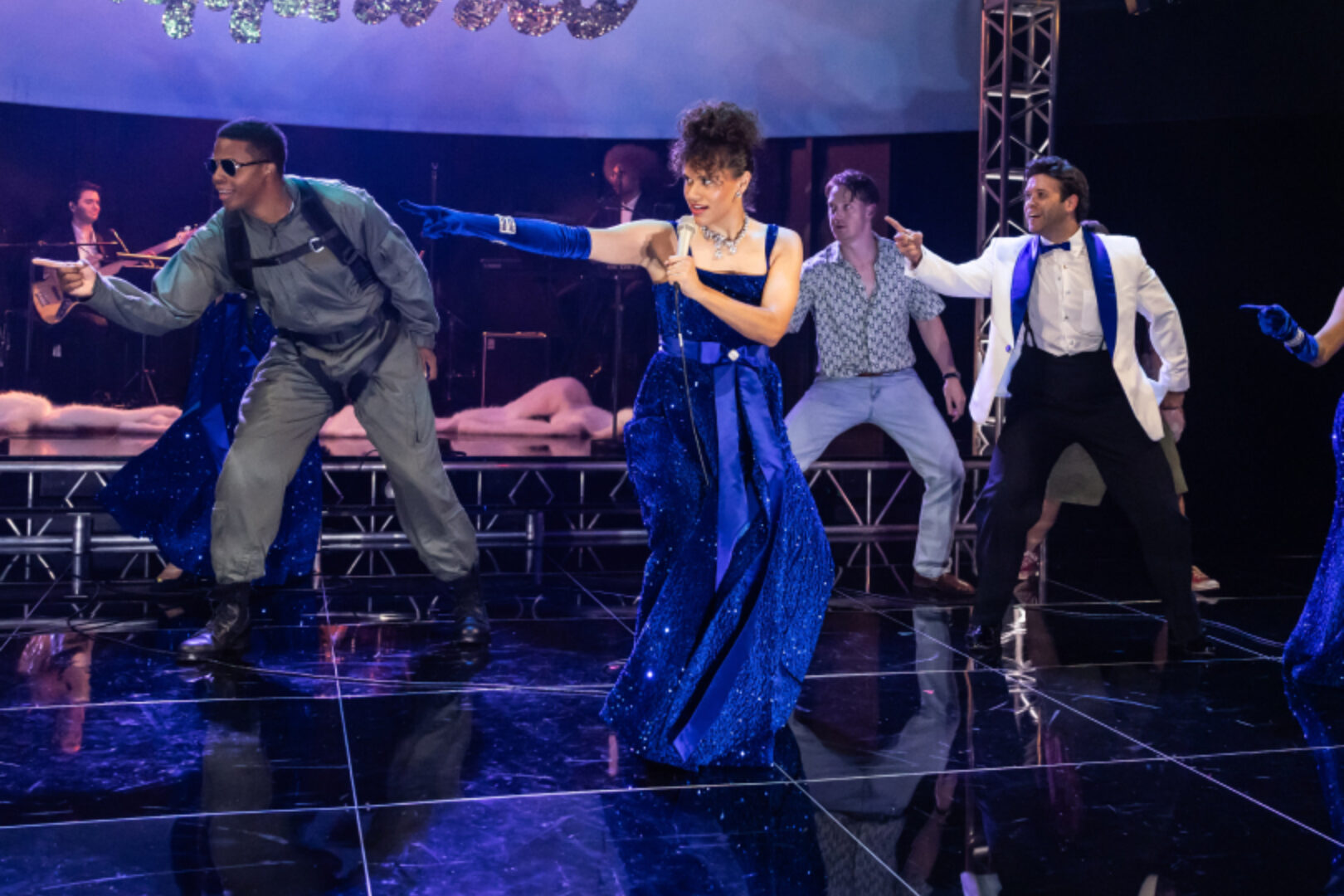
It might look effortless, but it doesn’t arrive that way. Brown describes a change in the body when the movement settles: a calmness in how weight is carried, and a fullness that doesn’t hold back.
“There’s an effortless fullness of movement,” she says.
Each performer brings something distinct — their own rhythm, instinct, and way of moving — and the choreography holds those differences while still creating something shared across the stage. It might look spontaneous, but it has been shaped over time, adjusted until it holds together as a group.
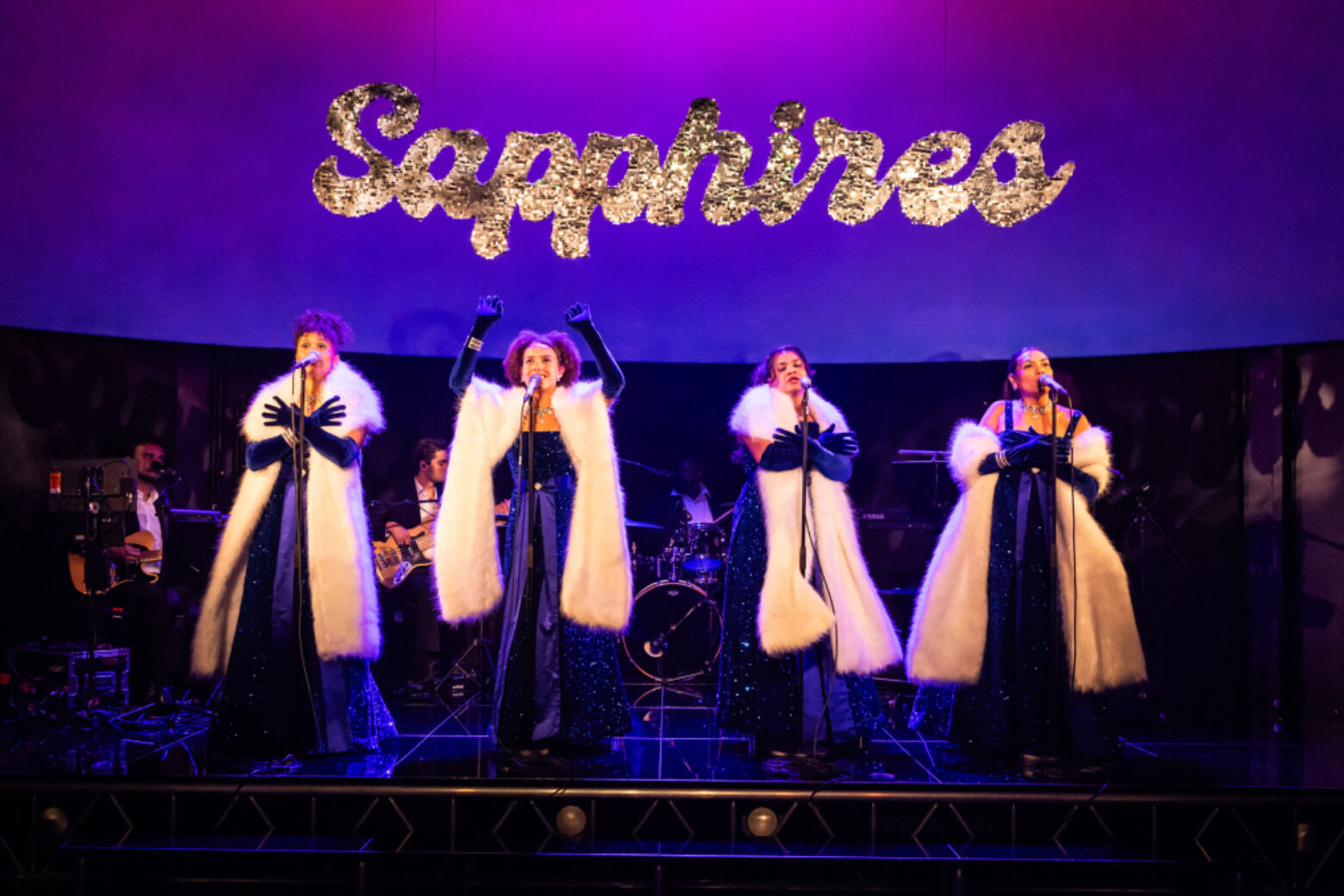
There’s a lot happening underneath it — the relationships, the history, and the emotional undercurrent moving through the piece.
At the same time, it leaves room for something lighter — a sense of freedom that makes you feel like you could step into it, just for a moment, and follow along.
By the time it reaches the stage, the effort has settled into something else. Sitting in the theatre, you don’t think about the steps. You feel it move between them — and then beyond.