Reframing the Stage
Inside a bold new model placing First Nations voices at the centre of theatre-making.
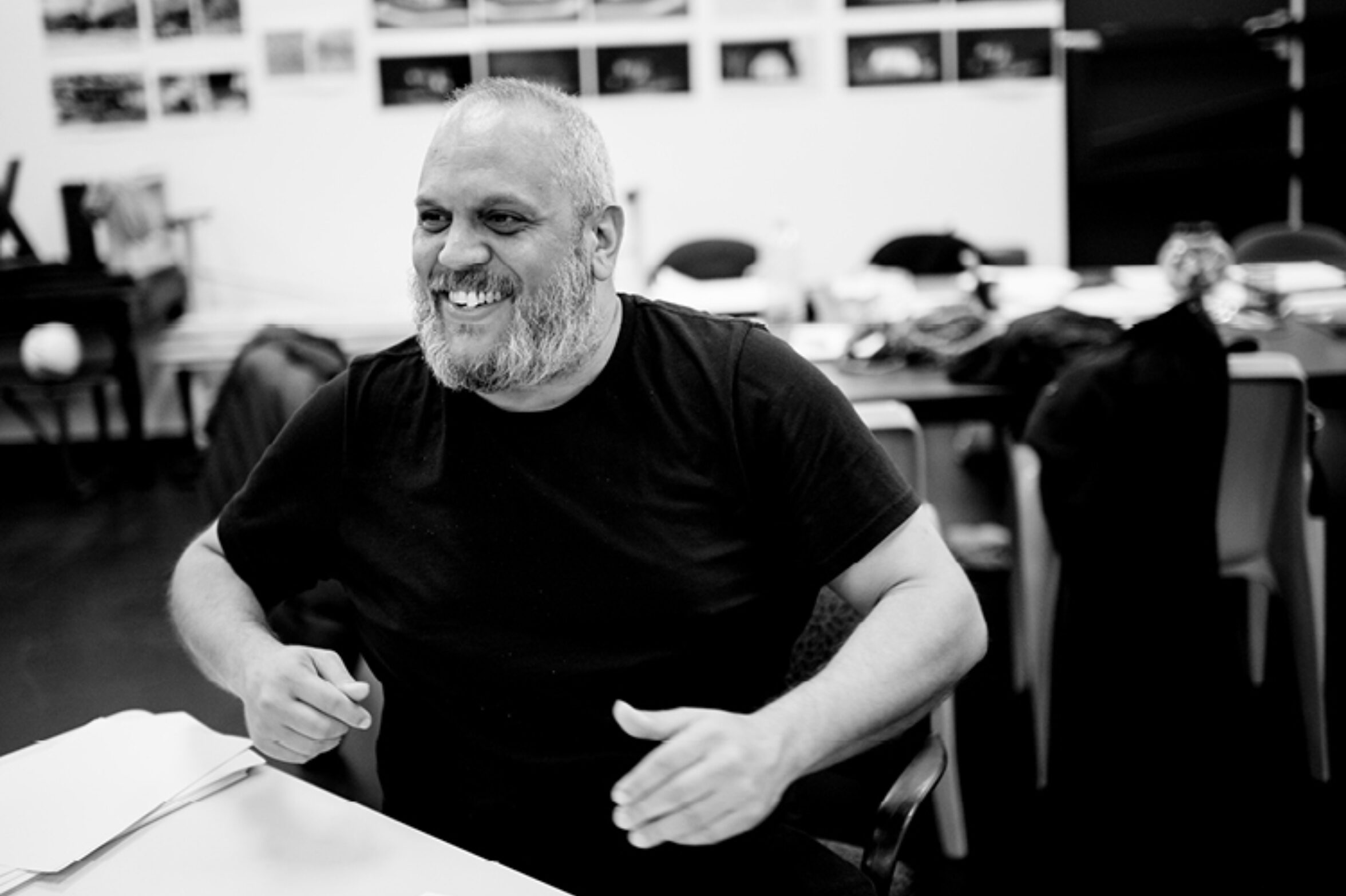
When Queensland Theatre Company established a dedicated First Nations Theatre Unit in 2024, it created something unique in the Australian arts landscape: a permanent home within a state theatre company devoted to First Nations storytelling. More than a program of productions, it is a structure designed to commission new voices, nurture artists and shape a long-term vision guided by First Nations leadership.
At the helm is acclaimed director, playwright and Noongar man Isaac Drandić, who in his first year as Head of First Nations Theatre has been laying the foundations for what comes next. Based in Gimuy (Cairns) – a deliberate choice that connects the program to both Brisbane and the Torres Strait – Drandić works across Queensland to develop artists, communities and stories.
For him, the role is as much about people as it is about productions. “Cairns is a natural fit,” Drandić says. “The stories here are embedded in culture, but too often they stay within community or in museums. Our responsibility is to make sure those stories remain living – shared with new generations and wider audiences.”
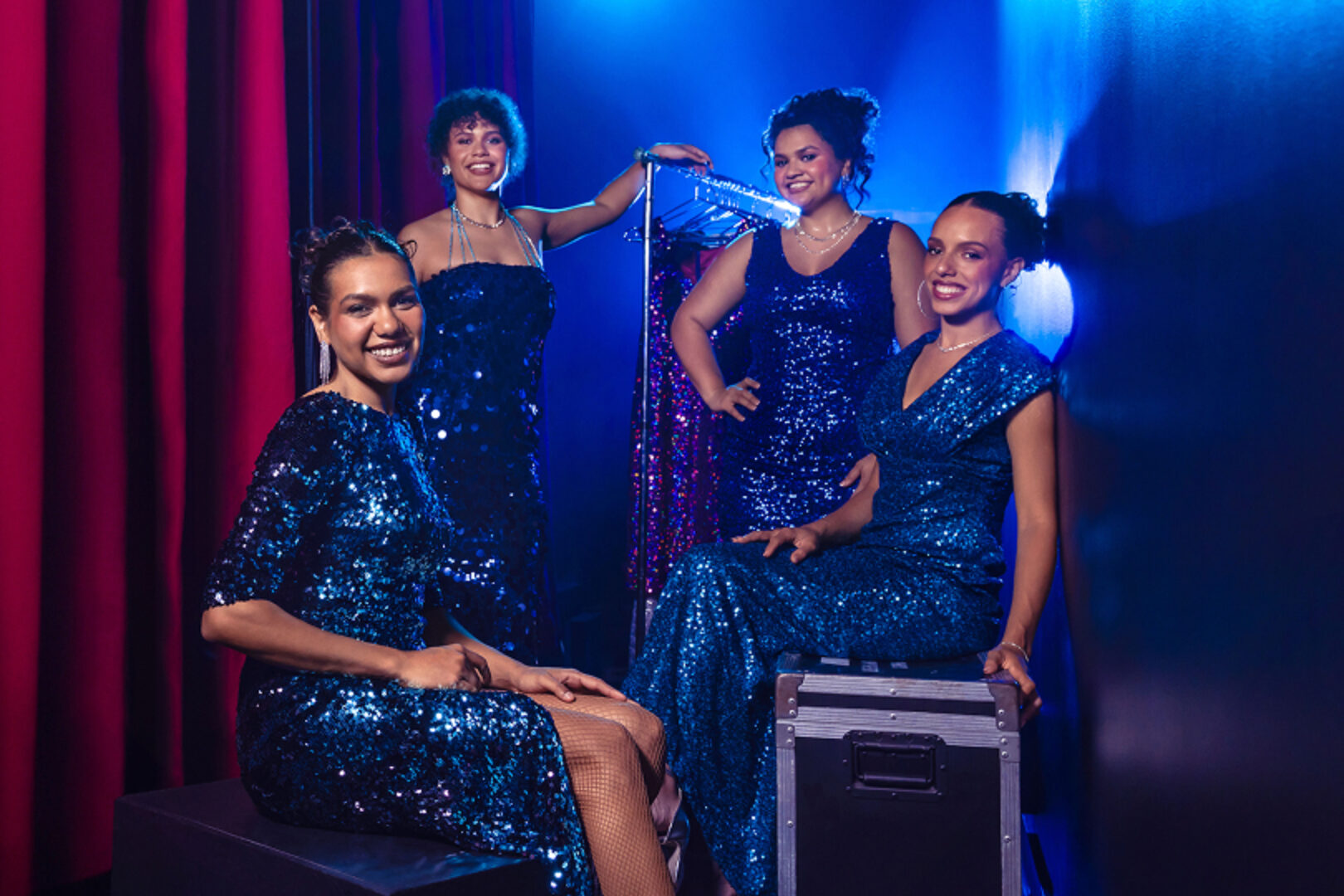
That ethos underpins the 2026 season, where the breadth of First Nations theatre is evident. On the mainstage, The Sapphires returns under the direction of Wesley Enoch, offering audiences the joy of Motown music in a deeply rooted story of Aboriginal women in 1960s Australia. In Sydney, Dear Son continues its journey after premiering in Brisbane and Adelaide last year; the work has struck a powerful chord through its exploration of fatherhood, vulnerability and identity.
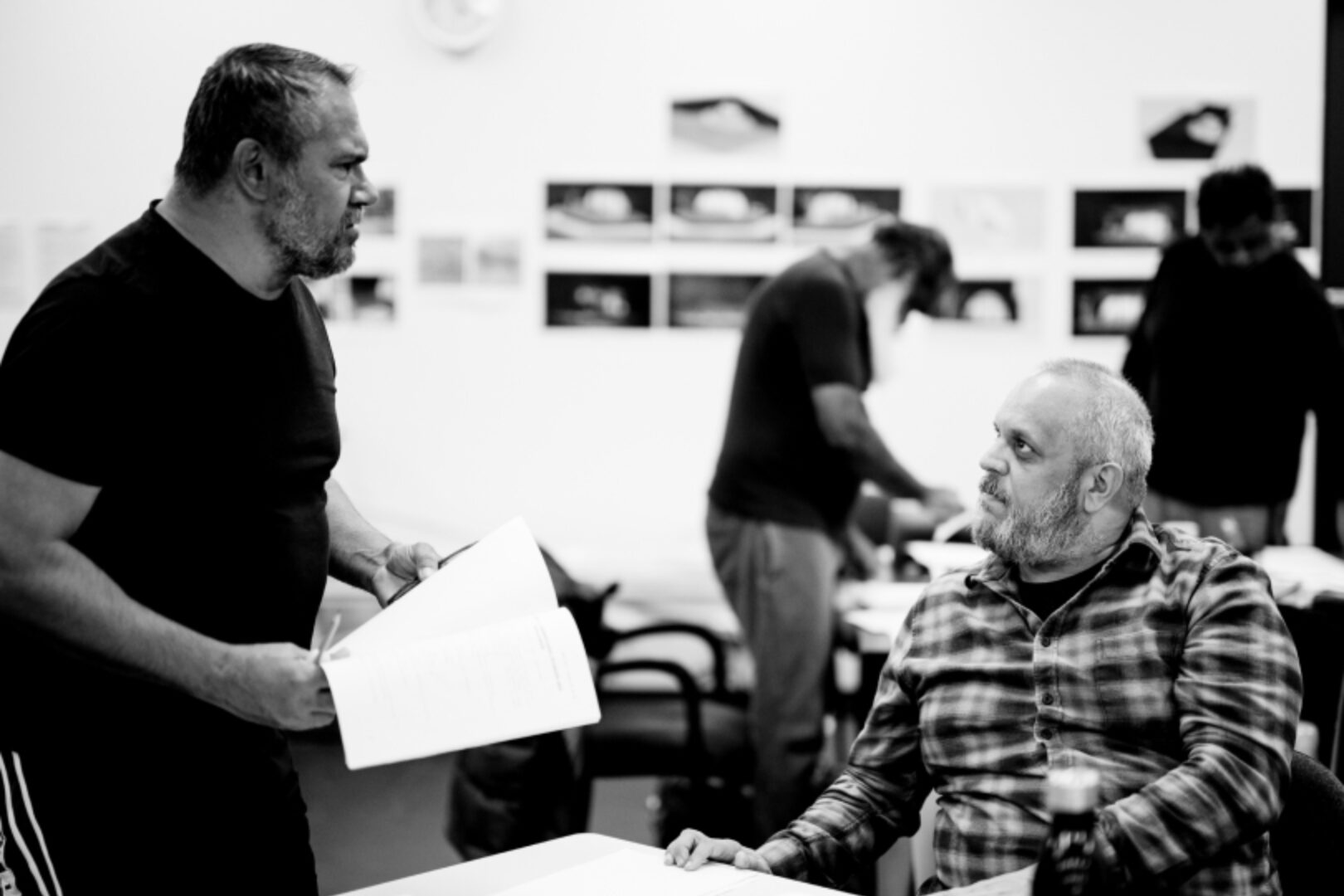
And in development are two major new works: Forgotten Songlines, created in partnership with Yidinydji cultural group Minjil, which brings ancestral narratives of the Great Barrier Reef and Atherton Tablelands to contemporary audiences; and Biw a Githalay (The Crab and the Mangrove Tree), an interactive children’s theatre work led by Saibai Island Elders and families, celebrating language and lore while confronting the realities of climate change.
For Drandić, the power of these works lies in where they come from. “A Yidinydji story can only come from here. A Saibai Island story can only come from here,” he says. “They carry thousands of years of wisdom about land, people and community, and that’s what makes them resonate far beyond Queensland.”
The ambition of QTC’s First Nations theatre unit is clear: to embed First Nations perspectives at every level of theatre-making – writing, directing, design, performance – and to do so in ways that are community-driven and artist-led. It is not about adapting stories to fit Western forms, but about developing new forms that reflect the lands and cultures from which they come. “Every collaboration is real and every new work is shaped by the people who live it and hold the knowledge,” he says.
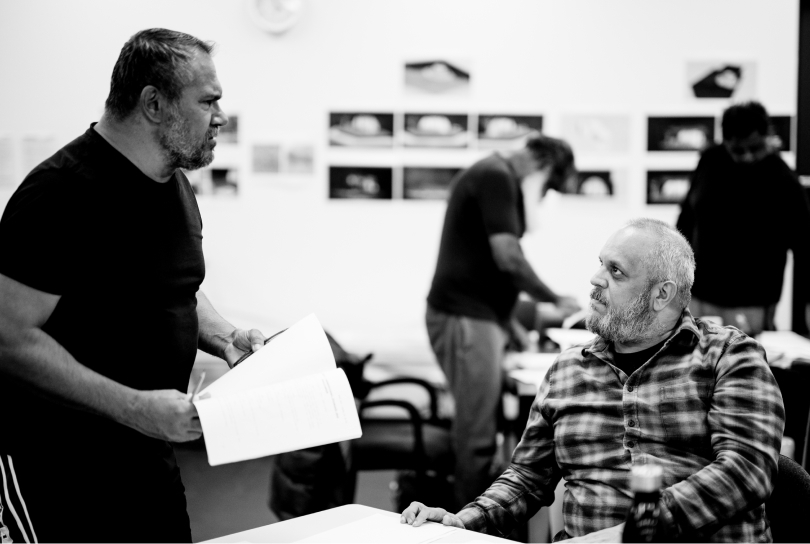
The impact of this approach is already being felt. Works such as Dear Son have sparked conversations and personal reckonings well beyond the theatre walls; new developments promise to bring the ingrained knowledge of First Nations cultures into dialogue with contemporary performance; and younger audiences are being invited into vibrant cultural worlds that connect generations.
As the state looks toward Brisbane 2032, the opportunity and responsibility is immense. But Drandić is focused on the groundwork: building trust, developing artists and ensuring that every story is told with care, authenticity and respect.
“We’re building the foundations now,” he reflects. “In time, these works will stand on any stage in the world and people will know exactly where they come from.”
We invite you to partner with us in the creation, development and sharing of powerful First Nations voices—stories that enrich our cultural landscape and deserve to be seen, heard and sustained.
More than a program of productions, our structure commissions new voices, nurtures artists and shapes a long-term vision guided by First Nations leadership—ensuring these stories remain living, carried forward to new generations and wider audiences.
To learn more about how partnerships can support the creation, development and sharing of powerful First Nations stories, contact development@queenslandtheatre.com.au.