Before The First Note
Before they can make the music, they need to find the band. For Queensland Theatre Company’s Daniel Evans, bringing Stereophonic to Australia begins with finding five performers who can do the impossible: act, sing, play and, together, become a band.
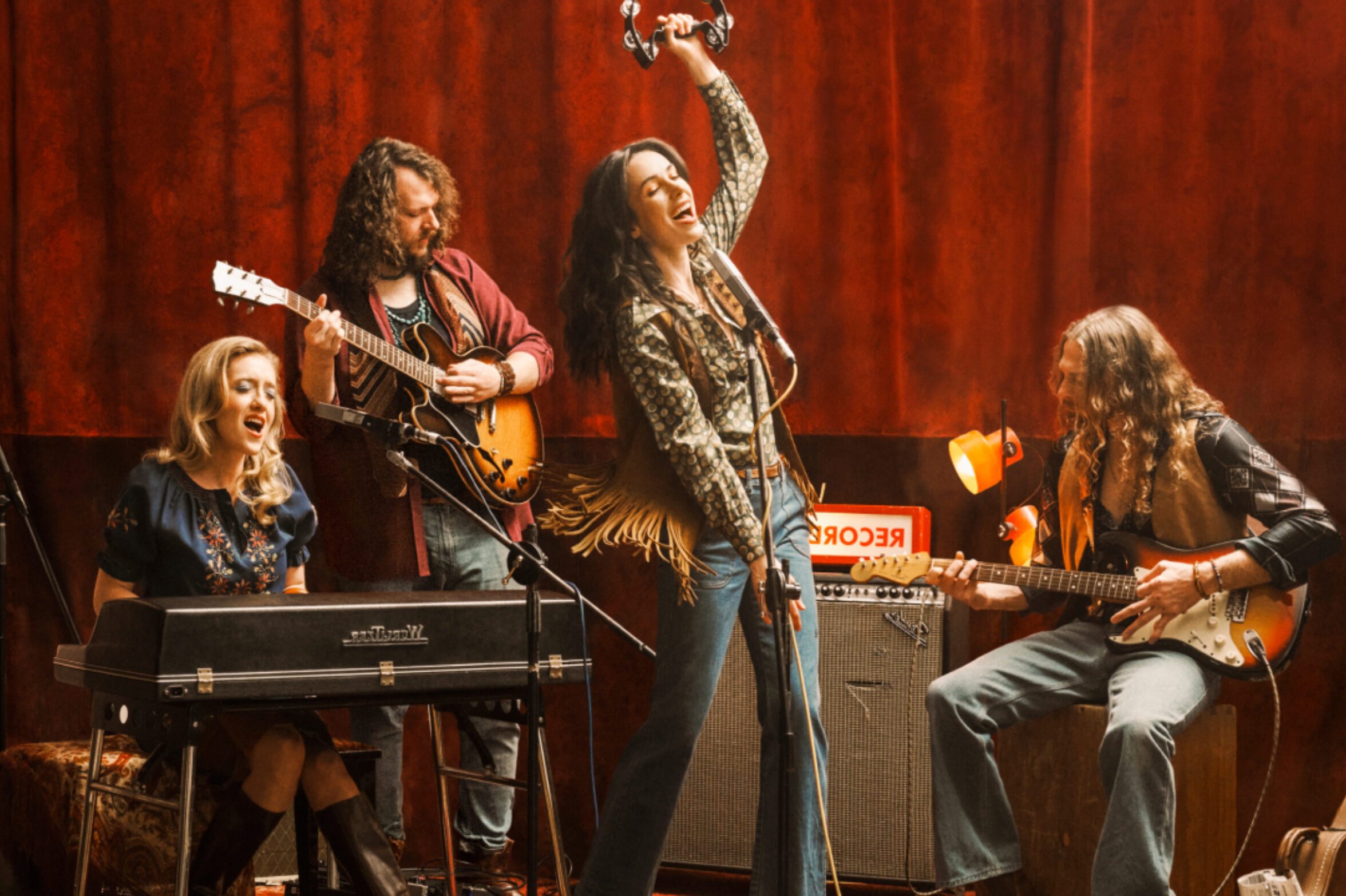
Not actors who can convincingly mime their way through a guitar solo. Not musicians who can deliver a few lines between songs. For Stereophonic, the most Tony-nominated play in Broadway history, the Queensland Theatre Company Artistic Director needs performers capable of doing both at an extraordinary level, and then somehow making an audience believe they have been playing together, sleeping together, fighting together and driving each other crazy for years.
What you’re actually assembling from across the eastern seaboard of Australia is a cast of unicorns.
— Daniel Evans, Director
“You have to be able to play an instrument and sing, but the acting that the text requires is also virtuosic. You’re looking for people who are absolute theatrical weapons.
“This is high-wire theatre.”
David Adjmi’s Stereophonic takes place inside a recording studio in 1976, where a five-piece rock band is attempting to make an album. They are on the precipice of something enormous. The music is getting better. Success is getting closer. Their relationships are getting considerably worse.

Songs are written, rehearsed, dismantled and rebuilt. Relationships follow much the same trajectory. The audience watches a group of artists chase the moment when something merely good suddenly becomes great.
Since premiering off-Broadway in 2023, Stereophonic has become something of a phenomenon. Its Broadway transfer earned a record 13 Tony Award nominations and won five, including Best Play. Now Evans is preparing its Australian premiere, beginning in Melbourne and travelling to Sydney before arriving at QTC’s Bille Brown Theatre.
But first, he needs his unicorns.
Evans sits alongside Musical Director Jethro Woodward, each listening for something different. “His ear is listening for musicality and mine is looking at the actor,” Evans says.
Candidates tackle a high-stakes scene before they pick up an instrument and play a song of their choosing. “You can act amazingly, but if you can’t play bass or guitar, drum or play piano, you’re immediately out of the running. Will Butler’s music is beautiful and sophisticated, and it genuinely sounds like music from the 1970s.
“You’re looking for quadruple threats.”
I can’t think of another play where you can say to the cast: you are all required to lay down an album every night for the next three months.
— Daniel Evans, Director
The process has uncovered unexpected talents, with actors digging back into instruments played since childhood, family musical traditions, skills quietly maintained without ever finding their way onto a professional stage. But technical ability is only the beginning. The moment these five performers appear together, we must believe they are a band.
“They have to read as a band within the first 45 seconds or the audience is lost,” he says. “No pressure.”
How, exactly, do you audition for chemistry? “This is going to sound a little spooky and ethereal, but you just sort of know.”
Adjmi gave Evans his own advice: look for the artist. “There are actors who can sing and singers who can act, but people who can actually inhabit the artistic sensibility of someone playing in a band in the 1970s are a very different prospect,” Evans says. “The people we’ve cast just ring. They thrum with a certain vibrato.”
That intangible quality becomes more important as each member joins the ensemble. Casting one performer changes the equation for everyone who follows. Two people can be individually brilliant and still not belong in the same band.
“Once you throw a dart at one person it completely changes what the rest of the band starts to look like,” Evans says. “You’re putting together people in the hope of creating magic. You’re trying to capture lightning in a bottle.”
Among those already assembled are Geraldine Hakewill and Alex Malone, who Evans describes as possessing that rare combination of “exceptional acting and exquisite musicianship”. “And then, together, they make sense.”
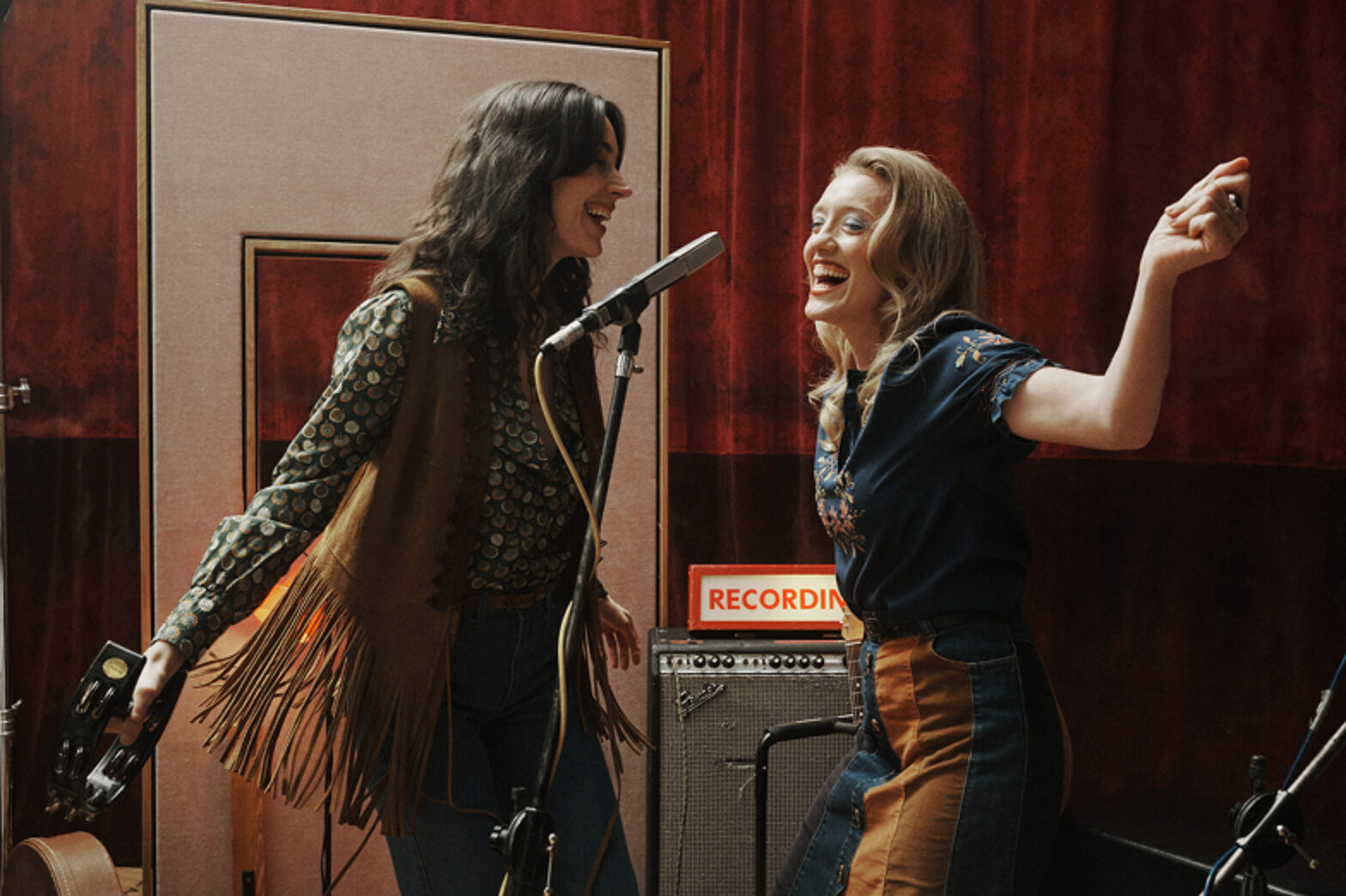
Finding the band, however, is different from becoming one. When rehearsals begin, the performers will have to become good enough to play Will Butler’s original songs live every night, while convincing us they are still discovering how those songs go. And they must listen to one another like a real band.
“A band isn’t simply people playing notes,” Evans says. “You’re vibrating off the sensibilities of your bandmates. It’s about turning the music and each other into a living, breathing thing.”
Evans believes the sheer difficulty of the assignment will help create the chemistry the production needs. He calls it the “tension of task”. “The prospect of having to come together and form a band very quickly – that actual exercise – is what bonds and connects them. Time and task often equal unity.”
For Evans, even Adjmi’s dialogue has musicality. “The whole thing is a symphony,” he says. “The title Stereophonic refers to that idea of multiple sounds travelling through and becoming fuller together. There are all these individual parts, but together they make something awe-inducing. They cling, they clash, they push up against one another, but in that clash and tension they create something beautiful.”
At the time of our conversation, the full ensemble is yet to be assembled. They have never stood together in a rehearsal room. They have never played a song together from beginning to end. So what will Evans be looking for when they finally do?
Not perfection.
“I don’t think ‘right’ is a particularly helpful word for me,” he says. “‘Closer’ is.
“It’s like tuning a piano. You go, ‘It’s not sounding quite where it should be yet but we’re getting closer,’ until finally it rings beautifully.”
Queensland audiences will experience the result closer than almost anyone else. When Stereophonic reaches Brisbane, the intimacy of the Bille Brown Theatre will collapse the distance between audience and band. Theatregoers will enter through the recording studio itself, becoming less observers than interlopers.
“You’ll have a front-row seat – not just in front of, but almost inside – this Sausalito, San Francisco recording studio,” Evans says. “It’s going to be a brilliant gig.”