Inside The Story: The Original Sapphires
Laurel Robinson and Tony Briggs reflect on the real memories, music and family history behind The Sapphires — from soul music and sisterhood to a makeshift stage in Vietnam.
Aboriginal and Torres Strait Islander peoples are advised that this article contains images and names of people who have passed away.
The stage is makeshift, the audience invisible.
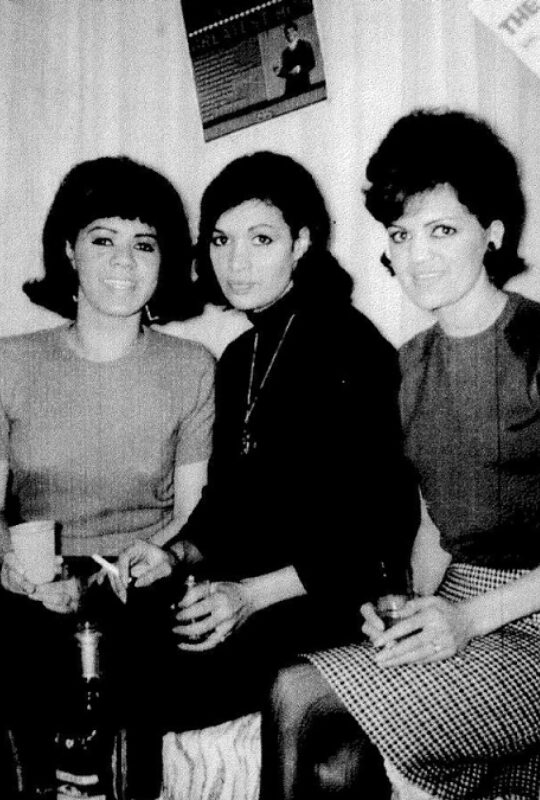
Somewhere in Vietnam, Laurel Robinson is getting ready to sing. There are no rows of chairs waiting, no clear sign that a show is about to begin. She and the others change out the back and prepare anyway, because that is what performers do: they get ready before the room tells them it is ready for them.
Then the noise begins.
“We heard all this noise,” Robinson remembers. “And when I peeped out to have a look, I could see all these tanks rolling in, rolling up to the stage with soldiers all over them.”
It is a surreal image: not an audience arriving through a foyer, but a line of tanks pulling up to a stage, young men climbing into view, the machinery of war briefly becoming theatre seating. Robinson does not overstate it. She simply remembers it as one of the best shows they ever did.
When it was over, the scene vanished almost as quickly as it had appeared.
“When we came out, no one was there. We just saw them disappearing into the jungle… That’s a vision I’ll always carry with me for the rest of my life.”
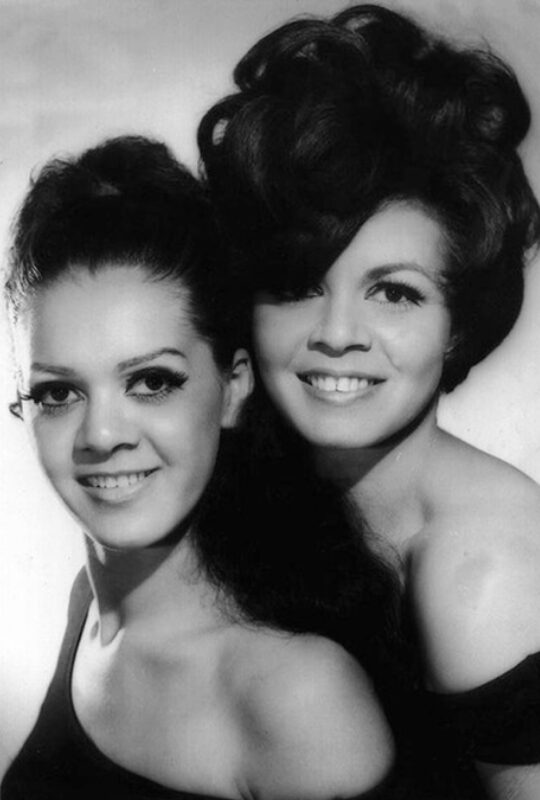
Before Vietnam, life was smaller, busier, more ordinary. Robinson was sixteen, working night shifts as a telephone operator and singing in clubs after work. The music sat around the edges of life before it became the thing that changed it. There was no grand plan, only talent, opportunity and a willingness to keep turning up.
Soul music arrived by degrees.
“We grew up with listening to country and western,” Robinson says.
Then cousins brought records home. Visiting Black entertainers and sportsmen came through Australia. A new sound entered the room and stayed there. The sound didn’t arrive all at once. It was something they learned to carry.
“We had to be taught a little bit how to sing it and how to get it across,” Robinson says.
She recalls being taught by the New Zealand Māori band they travelled with to Vietnam — how to breathe, how to phrase, how to carry the feeling across. It sits in the detail — breath, phrasing, timing, trust.
For Tony Briggs, who wrote The Sapphires inspired by his mother Laurel Robinson’s stories, the story never arrived as one clean account. It came through family memory in pieces — vivid here, unfinished there, some parts repeated, others held back until later.
“I had to, like, extract little bits and pieces,” he says.
From those pieces came not only Vietnam, but the Philippines and Singapore; not only performance, but family history. Robinson speaks of her mother’s sisters being taken away, of grief that took years to be spoken aloud.
Those fragments stayed together — the music, the touring, the family history — carried in the same stories.
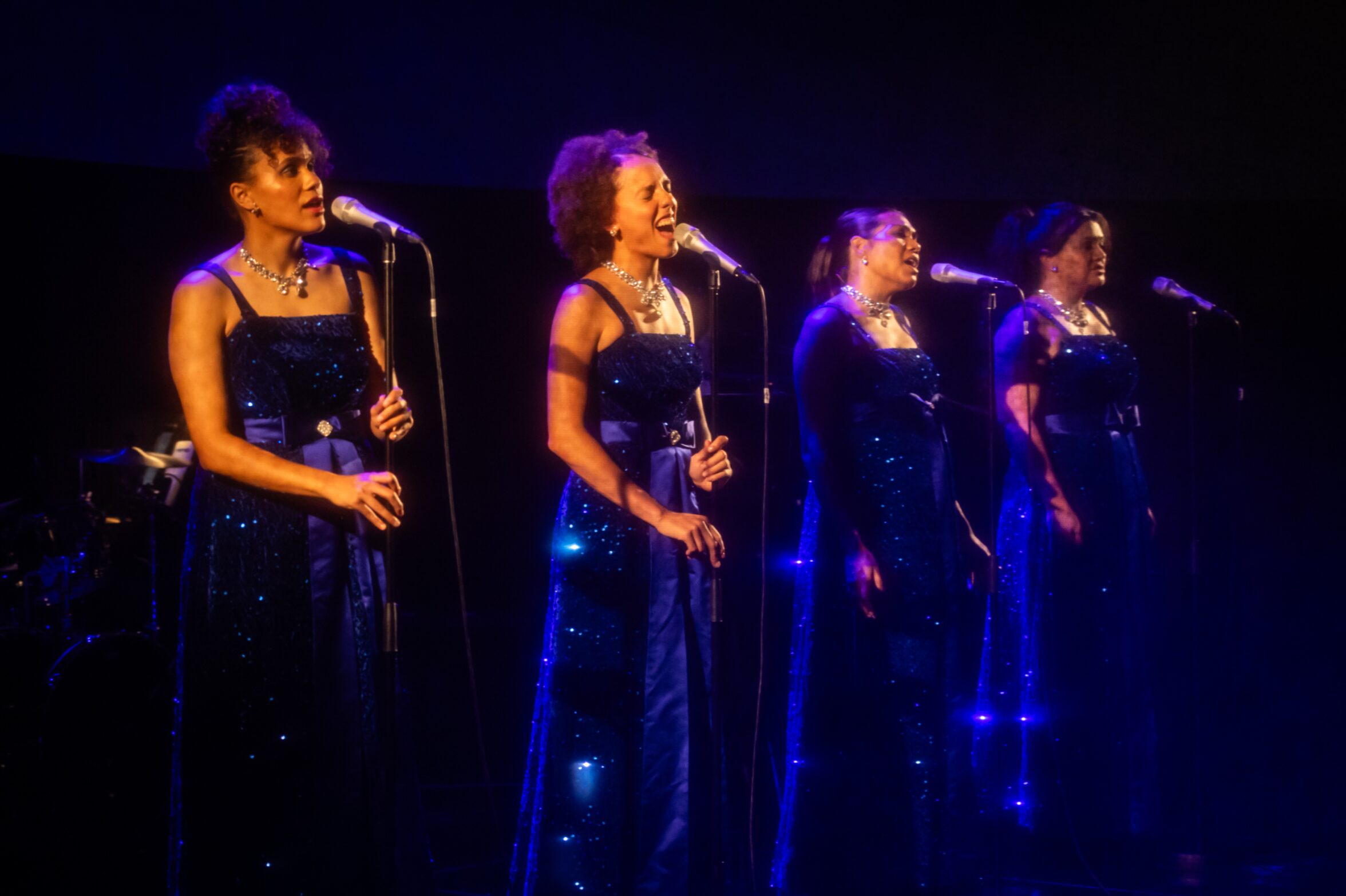
On stage now, those moments sit alongside each other. The harmonies are bright, the humour lands, the women hold the room — four young women learning as they go, carrying their families with them, stepping into impossible circumstances and making a show of it anyway.
The sound carries, but it isn’t the only thing that lingers.
There is also the image of them — already ready, already waiting — before anything has arrived.