Love, Lore and Shakespeare
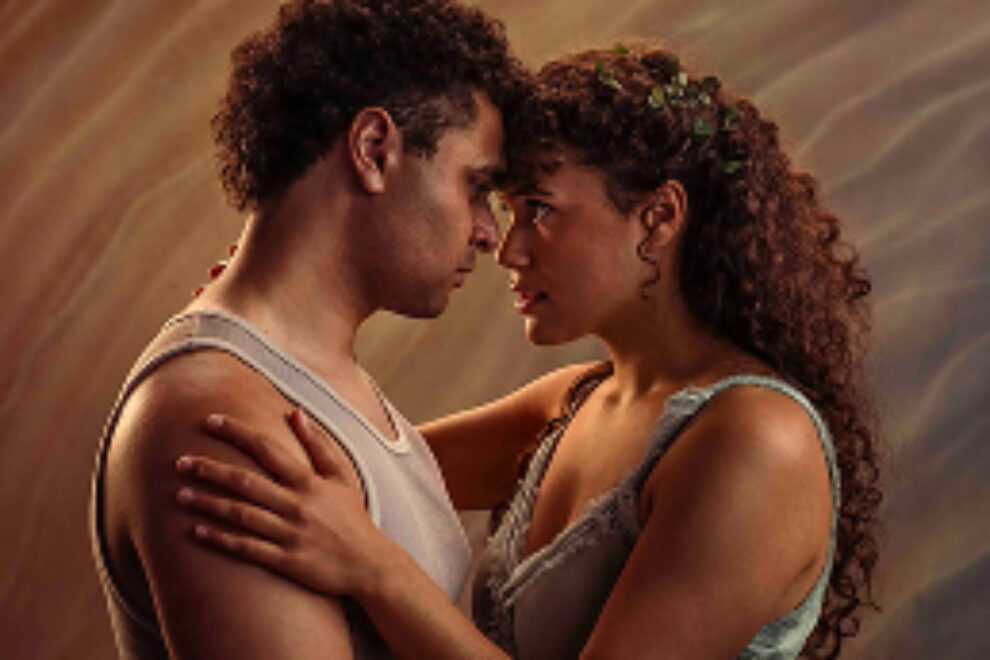
Four centuries after Romeo and Juliet first fell in love, Kamarra Bell-Wykes and Isaac Drandić are discovering extraordinary new possibilities inside Shakespeare’s great tragedy.
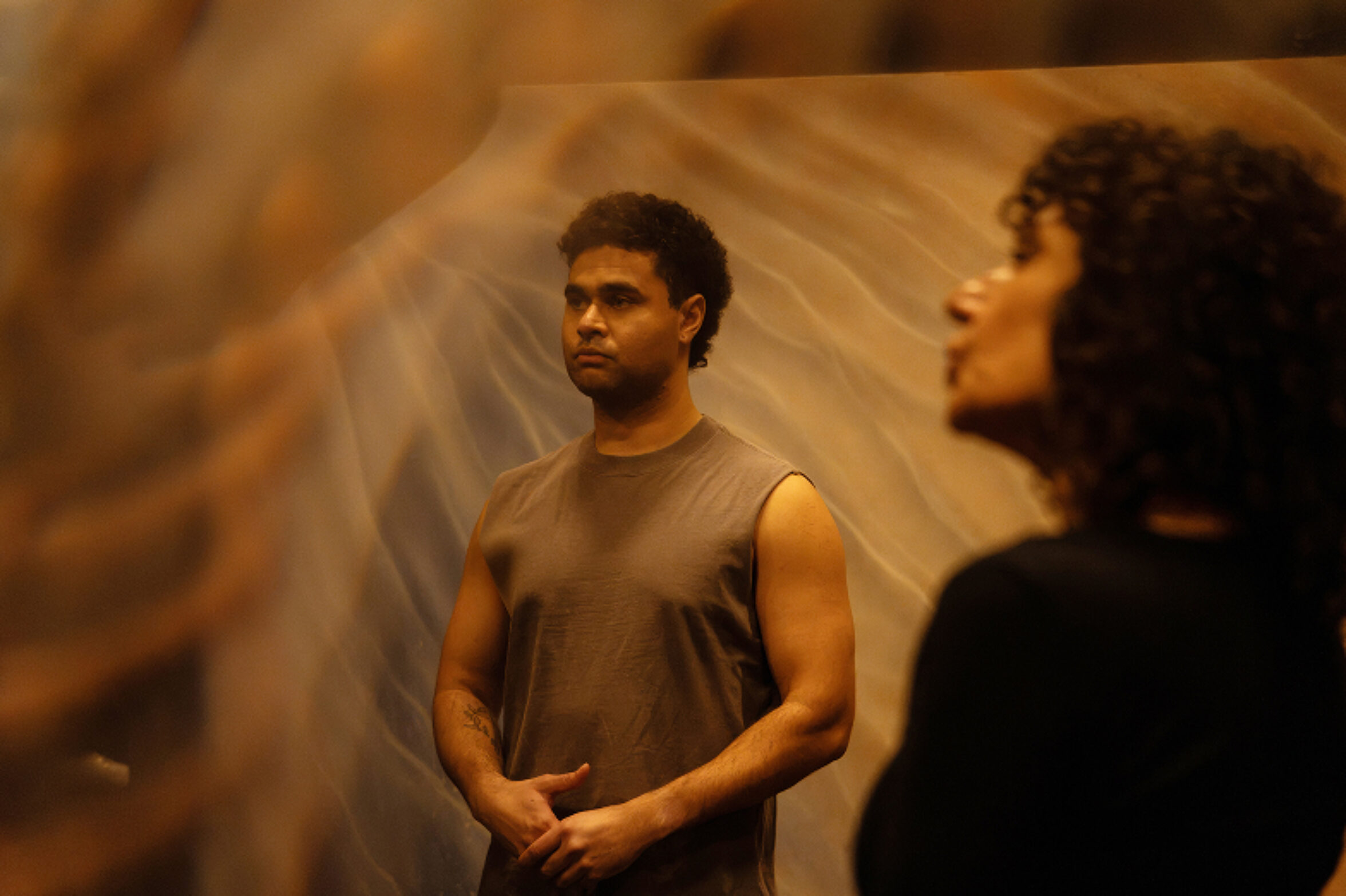
There may be no more familiar love story.
Two young people from opposing families meet, fall hopelessly in love and find themselves caught in a conflict that began long before they were born.
For more than 400 years, Romeo & Juliet has been retold, reimagined and reinvented. Its lovers have appeared everywhere from Renaissance Verona to the streets of New York. Every generation, it seems, finds something of itself in Shakespeare’s tragedy.
Now Kamarra Bell-Wykes and Isaac Drandić are finding an entirely new world inside it.
In Romeo & Juliet, Shakespeare’s lovers enter an imagined Country shaped by First Nations storytelling: an epic world of warring clans, ancient Lore, song, ceremony and the elemental forces of Mother Earth and Father Sky.
For Drandić, Queensland Theatre Company’s Head of First Nations Theatre, the surprise has been discovering just how naturally Shakespeare belongs there.
“The parallels between Shakespeare and Aboriginal Dreaming stories are uncanny,” he says.
“Both carry big lessons about human behaviour, and if people fail to learn those lessons, the consequences can be catastrophic. They deal with love, jealousy, revenge, power, family, responsibility and our relationship to the world around us. They’re incredibly insightful about our humanity.”
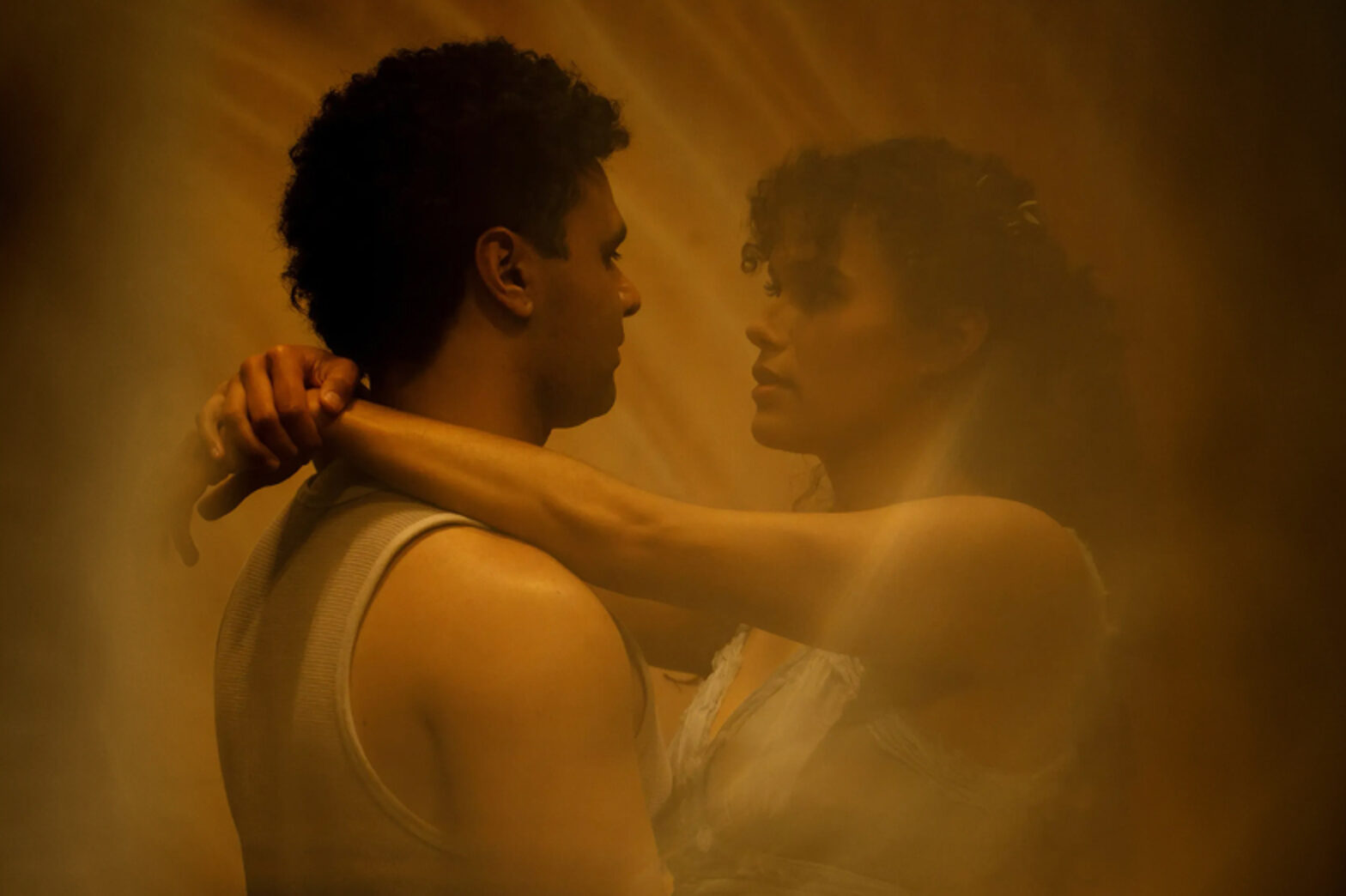
The songline has been broken. The world has become dark, and through the innocence of these two star-crossed lovers, we begin to let the light back in.
— Isaac Drandić, Co-Director
It is a meeting of storytelling traditions that Drandić and Bell-Wykes believe can reveal something new in a play audiences may think they already know.
Their Romeo & Juliet doesn’t simply relocate Shakespeare to another time or place. Instead, the pair are reimagining a fantastical new world around his story. Drandić calls it “Blak Verona”.
Once, it was a paradise protected by Mother Earth and Father Sky. But a century-old conflict has divided its people and damaged their relationship with the world around them.
It is a thrilling expansion of Shakespeare’s tragedy. The feud that has poisoned the Montagues and Capulets now threatens an entire world.
“When Lore is trespassed and ceremony is broken, decades of feuding transform Country into a barren wasteland ruled by violence and soaked in blood,” Drandić says.
“But Country doesn’t die. Country watches and waits. Country holds the memory of ancient ceremony and the spirit of eternal love.”
Country is not simply the setting for the production. It becomes another presence within it, shaping its people and ultimately playing a part in bringing Romeo and Juliet together.
And despite the scale of the world around them, the reason Drandić was drawn to Shakespeare’s lovers is beautifully simple.
“Innocence. Love. And the extraordinary power of both.”
Romeo and Juliet have inherited hatred. They didn’t begin the feud, yet they are expected to accept its rules and continue it.
Then they fall in love with the one person they shouldn’t.
“There’s that old saying that love can heal all,” Drandić says. “It might sound cheesy, but there’s truth in it.”
“Romeo and Juliet give us a vehicle to explore what happens when two young people choose love over hate and connection in a world that has taught them division.”
That recognisable human story gives Drandić and Bell-Wykes a foundation upon which to build something theatrically adventurous.
Language, song, dance, design and ceremony will exist alongside Shakespeare’s text, not simply as decoration but as essential ways of carrying First Nations stories.
There is so much opportunity for ceremony in Shakespeare’s work.
— Kamarra Bell-Wykes, Co-Director
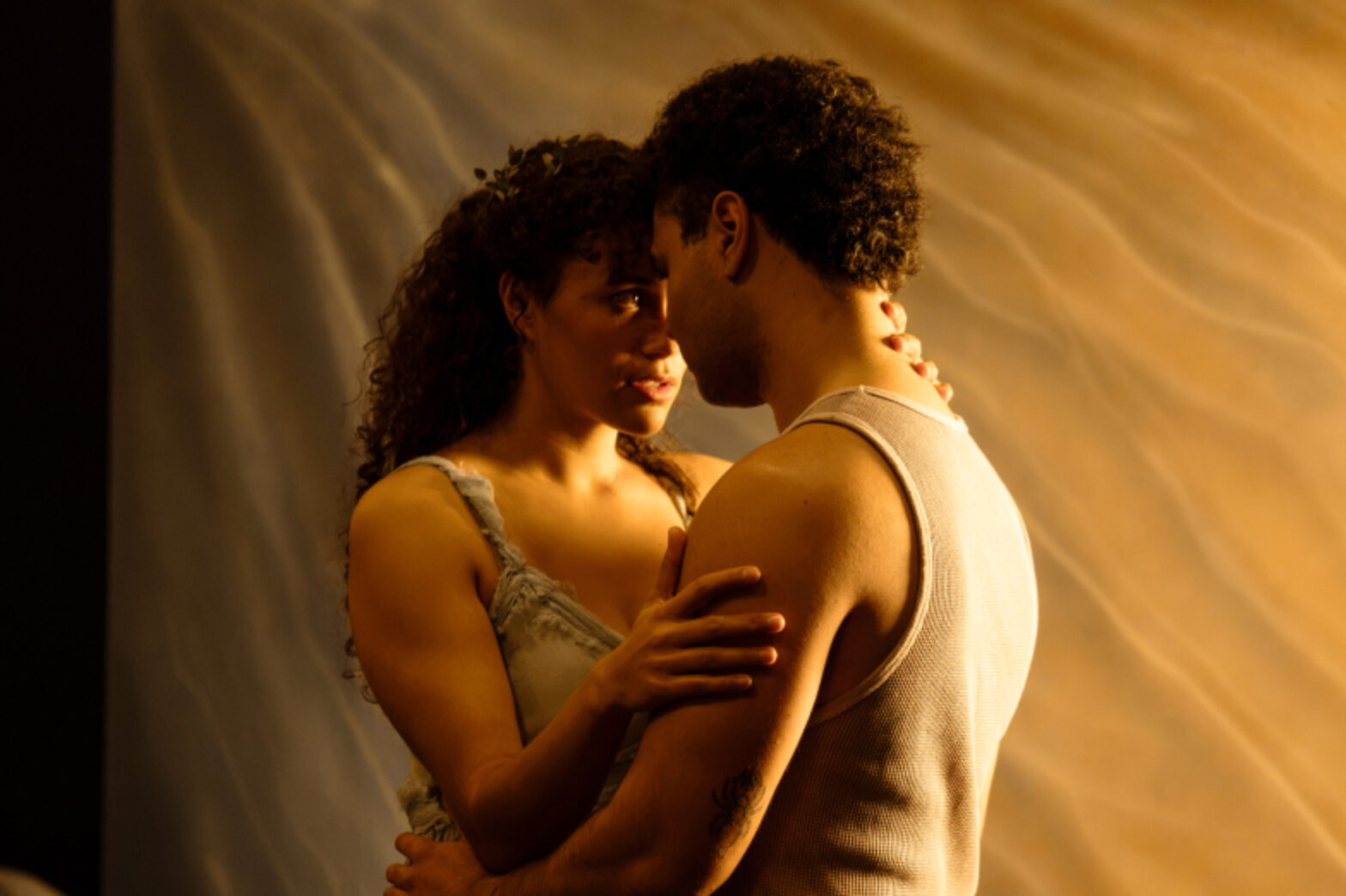
“As First Peoples, we’ve used language, dance, song and ceremony together to carry story and knowledge for a very long time. Western theatre often separates those forms – text, movement, music, design – but within First Nations storytelling they can all exist together.”
For audiences, that promises a Romeo and Juliet with a distinctive theatrical language: physical, musical, visual
and poetic.
“Song and dance aren’t additions to Shakespeare,” Bell-Wykes says. “Those forms fundamentally reflect how we make and tell story, drawing from First Nations techniques and values.”
For Drandić, Shakespeare’s fascination with the natural world has been particularly striking.
“Shakespeare is constantly invoking the sun, moon, stars, night, earth and the natural elements,” he says. “The universe is always at play.”
It resonates with First Nations understandings of the relationship between people and the world around them – and provides fertile ground for the imagined Country of Romeo & Juliet.
Shakespeare is constantly invoking the sun, moon, stars, night, earth and the natural elements. The universe is always at play.
— Isaac Drandić, Co-Director
Even familiar Shakespearean characters take on new dimensions. Friar Lawrence is reimagined through the comparative lens of a Medicine Man; the Prince becomes a Lore Man, responsible for maintaining order.
In the world Drandić has created, that connection has been severed.
“The song that once connected these two clans has been broken, and with it their relationship to one another and to Country,” Drandić says.
“So the question becomes: what happens when people forget the song that once connected them?”
It is an idea that feels remarkably at home in Shakespeare.
After all, Romeo & Juliet has always been a story about what happens when division becomes more important than connection and the terrible price paid by the next generation.
“Those big ideas are why these stories have survived,” Drandić says. “They continue to speak to something fundamentally human.”
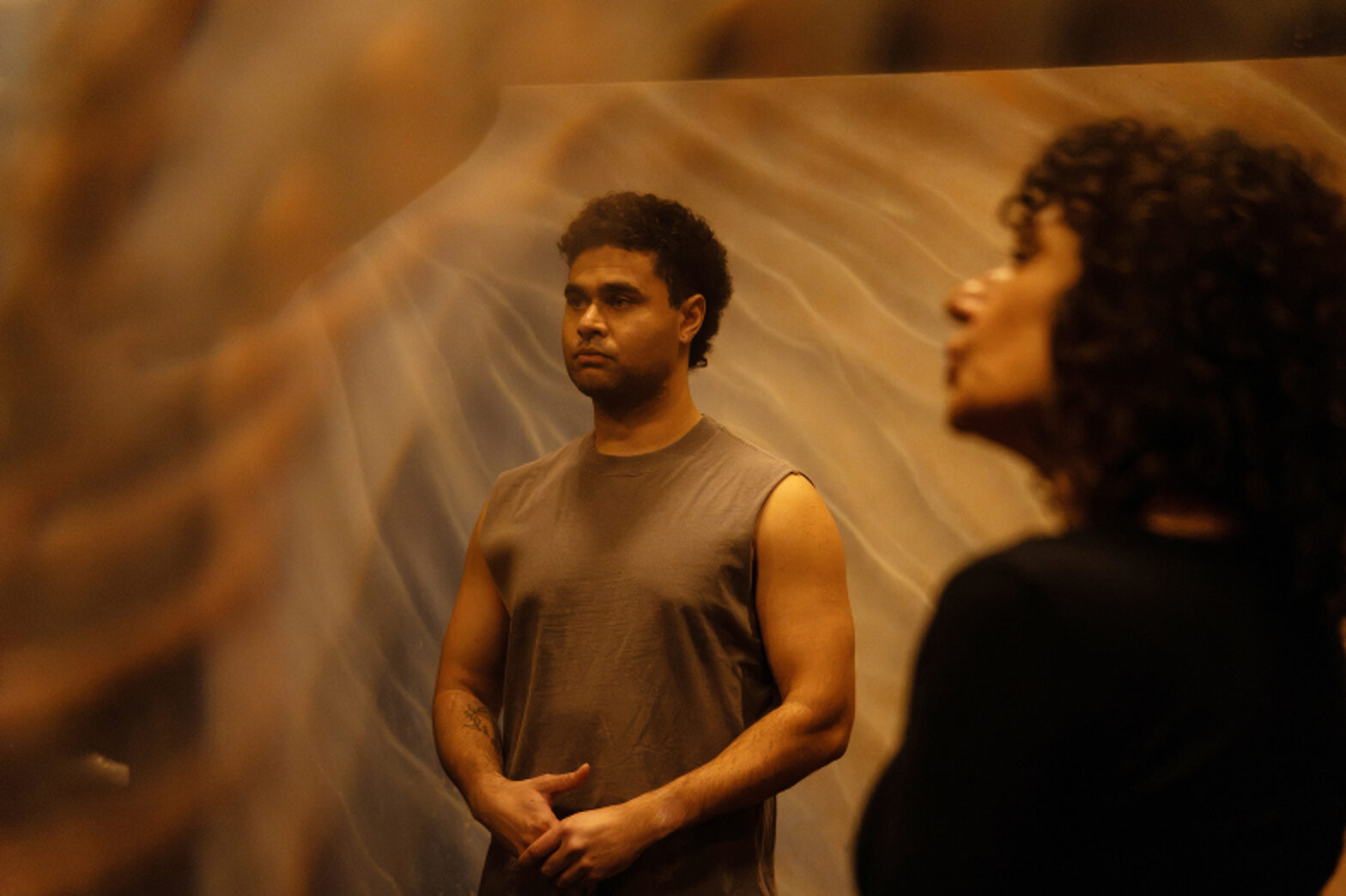
For Queensland Theatre Company, the production also represents a milestone in the evolution of its First Nations Theatre program.
A First Nations lead artistic and creative team will bring one of the world’s best-known plays to the stage on an ambitious scale, showcasing First Nations actors, designers and theatre-makers while inviting Shakespeare audiences into a theatrical world they have never encountered before.
Drandić hopes that exchange works both ways: that First Nations audiences might discover Shakespeare afresh while those who have known the play for decades discover the possibilities of First Nations theatre.
For audiences who know Romeo & Juliet well, the thrill may be discovering just how much more there is to find within it.
A production filled with what Drandić describes as “the spirit, magic, movement and rhythms of Shakespeare and First Nations expression” – love and humour, poetry and ceremony, spectacle and tragedy.
And at the centre of all that invention are still Romeo and Juliet.
Two young people who meet.
Two young people who fall in love.
And two young people who, however briefly, imagine that the world they inherited might be capable of becoming something different.
Perhaps that is why, 400 years later, we are still telling their story.