The Art of Reimagining
Seen through the lens of memory, this reimagining of The Great Gatsby is driven by desire, ambition and the stories we tell ourselves. Daniel Evans, Nelle Lee and Nick Skubij reflect on adapting Fitzgerald’s novel and why it still speaks so powerfully to the present moment.
Published in 1925, The Great Gatsby barely sold a copy. By 1940, F. Scott Fitzgerald had earned just $13.13 from what he considered “a consciously artistic achievement” and died believing he’d failed. Then in 1945, 155,000 Armed Services Editions of the novel landed in the pockets of GIs. Bored, wounded and homesick soldiers devoured these pocket-sized paperbacks and veterans became teachers; syllabuses followed. A wartime giveaway turned the novel into part of the American literary canon. Gradually, Fitzgerald’s dream became a posthumous reality.
War looms large over The Great Gatsby and, while Fitzgerald himself never served at the front, his two protagonists did. This ‘tectonic movement’ hangs over the novel and the new freedoms and fortunes it ushered into American society bristle beneath the events of that New York summer in 1922. Women could drive cars and meet beaus unchaperoned; returning soldiers faced a racially and socially divided nation unfamiliar from the trenches. The Harlem Renaissance had begun, and a social revolution was underway.
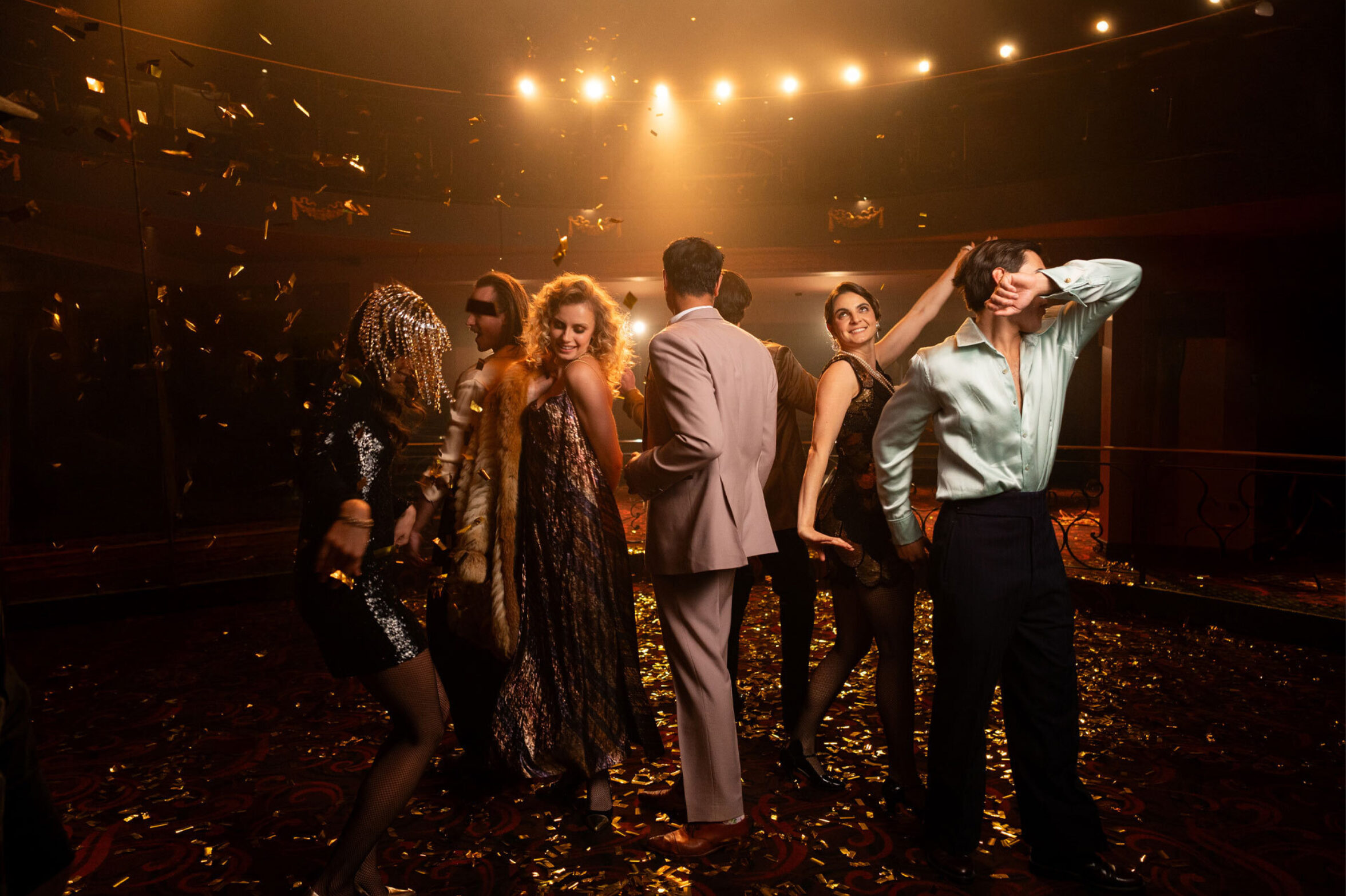
The war — together with the socio-political tensions of the time — makes for a heart of darkness that beats at the centre of Gatsby’s world of wild celebration, cool jazz, reckless driving and free-flowing alcohol. This friction became the catalyst for our adaptation, activated by one of literature’s most disarming narrators: Nick Carraway.
Nick’s seductive but ultimately unreliable first-person account of his midsummer fever dream pulls us through the Characters (fantastical, grasping, sardonic and alone), the Eggs (Old Money of the East and New Money of the West), the Parties (both sparkling and sordid) and the Wars (the one that had been, the one only we know will come). This, then, is a memory play; as in the novel, Nick skims over details, shirks blame and, despite his best efforts not to, falls into feeling. Our directorial choices and design frame have been guided by Nick’s description of the way he feels about the brave new world in which he finds himself that, despite the title, Nick cannot help but be the protagonist. This is an adaptation from his side of the story.
Here, the world is conceived from how memory might function for Nick; fragmentary and fleeting, through lightning bolts of vivid clarity, but never the whole picture. He recalls the stark Midwest whiteness of East Egg, the lurid colour of Myrtle’s apartment, the golden grill of Gatsby’s car and macabre, bizarre images — the looming eyes of Eckleburg, the intermittent green light. This is how the lens of memory turns what really happened into personal perspective. Memory, after all, is our own truth with the volume and lights turned up.
Memory is our own truth with the volume and lights turned up.
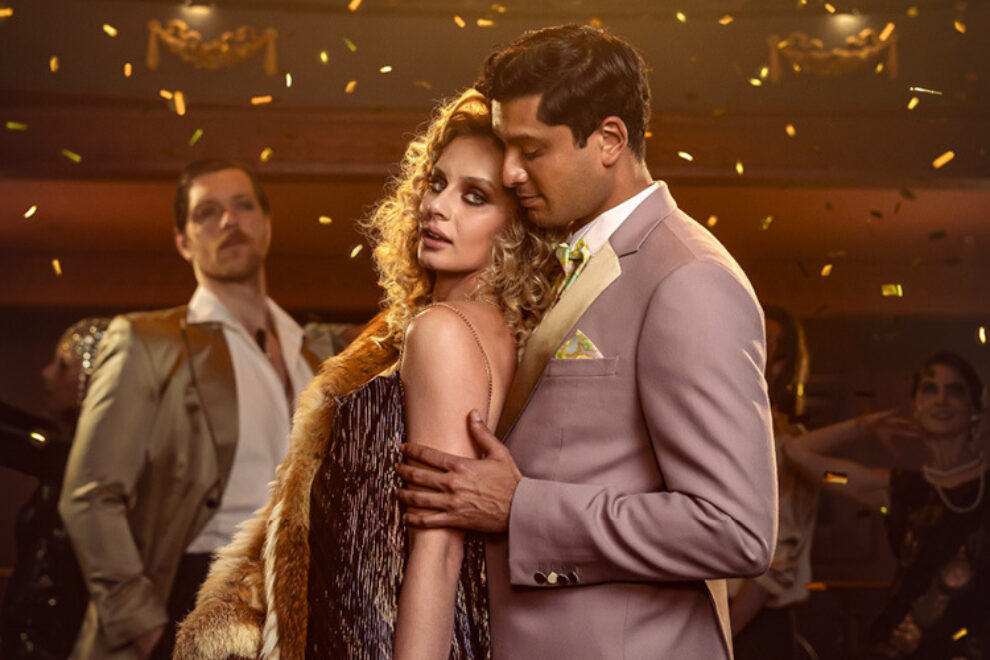
Christina Smith’s set and costume design become a psychological space of magic, illusion and imagination — the toolkit of our bondsman-turned-writer Nick Carraway — and the bedrock of theatre. It’s a combination underscored by Guy Webster’s scintillating soundtrack that tips its hat to jazz across eras. We loved the idea that Gatsby — like his guest list, where everyone is welcome — brings a rhythm from the future.
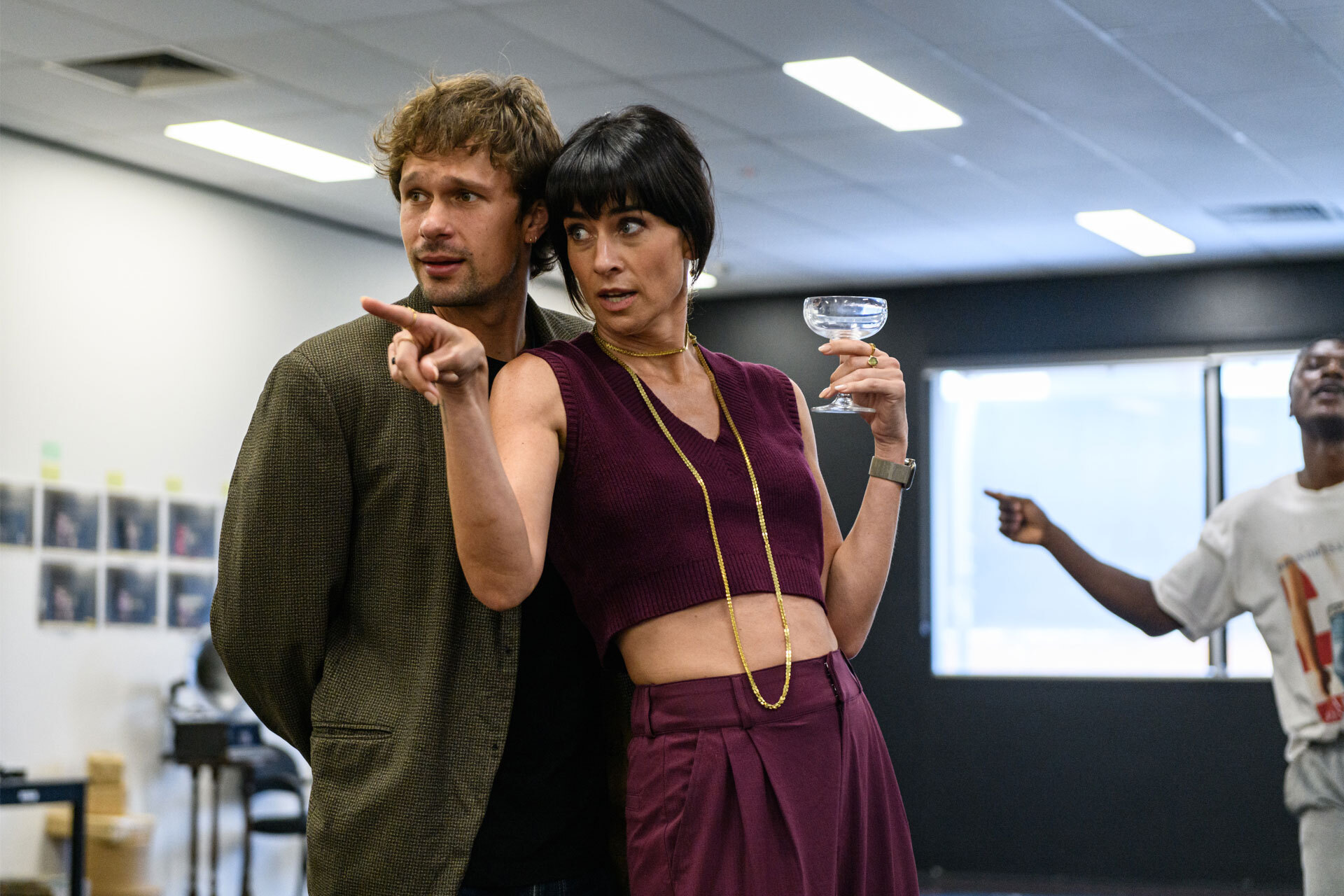
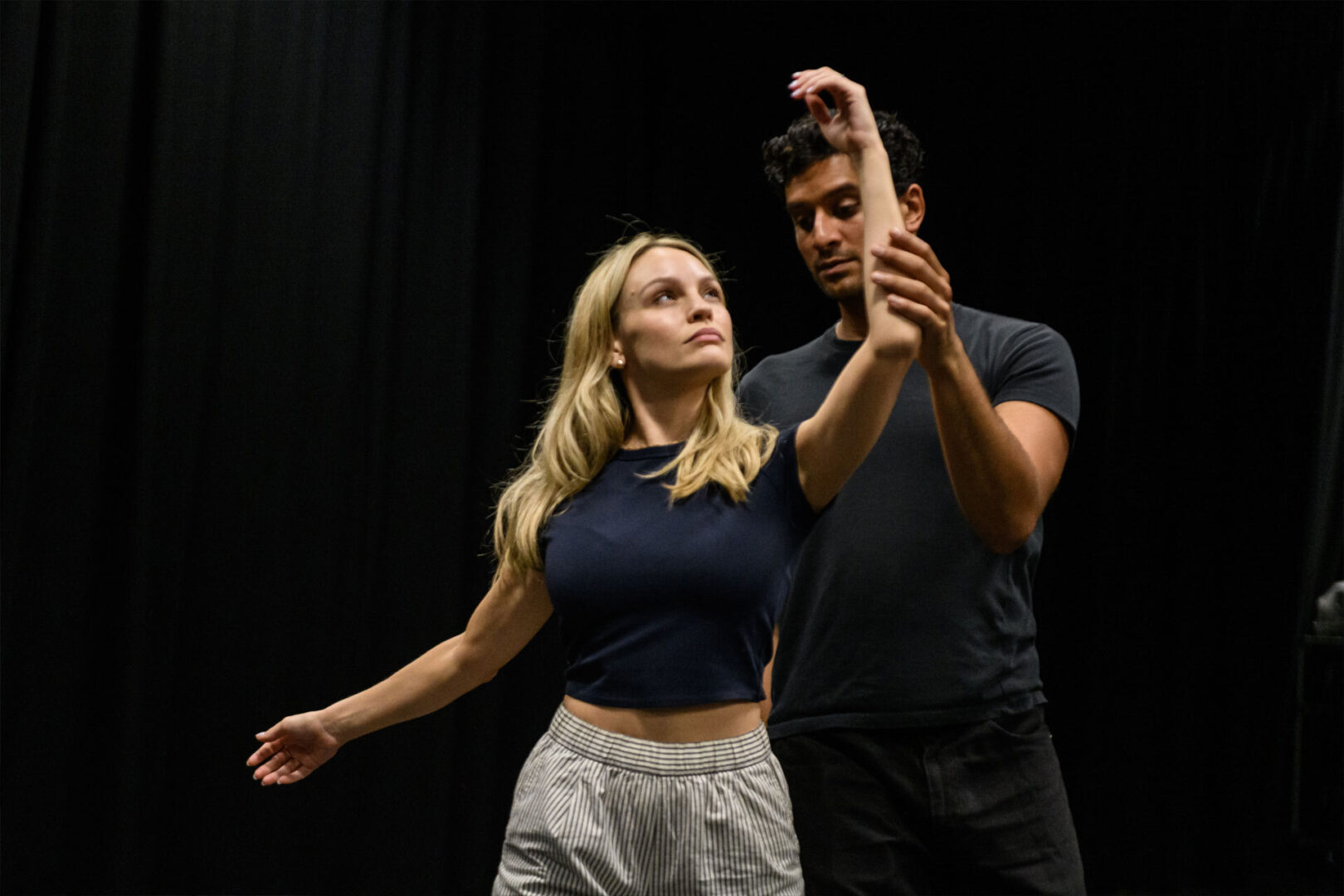
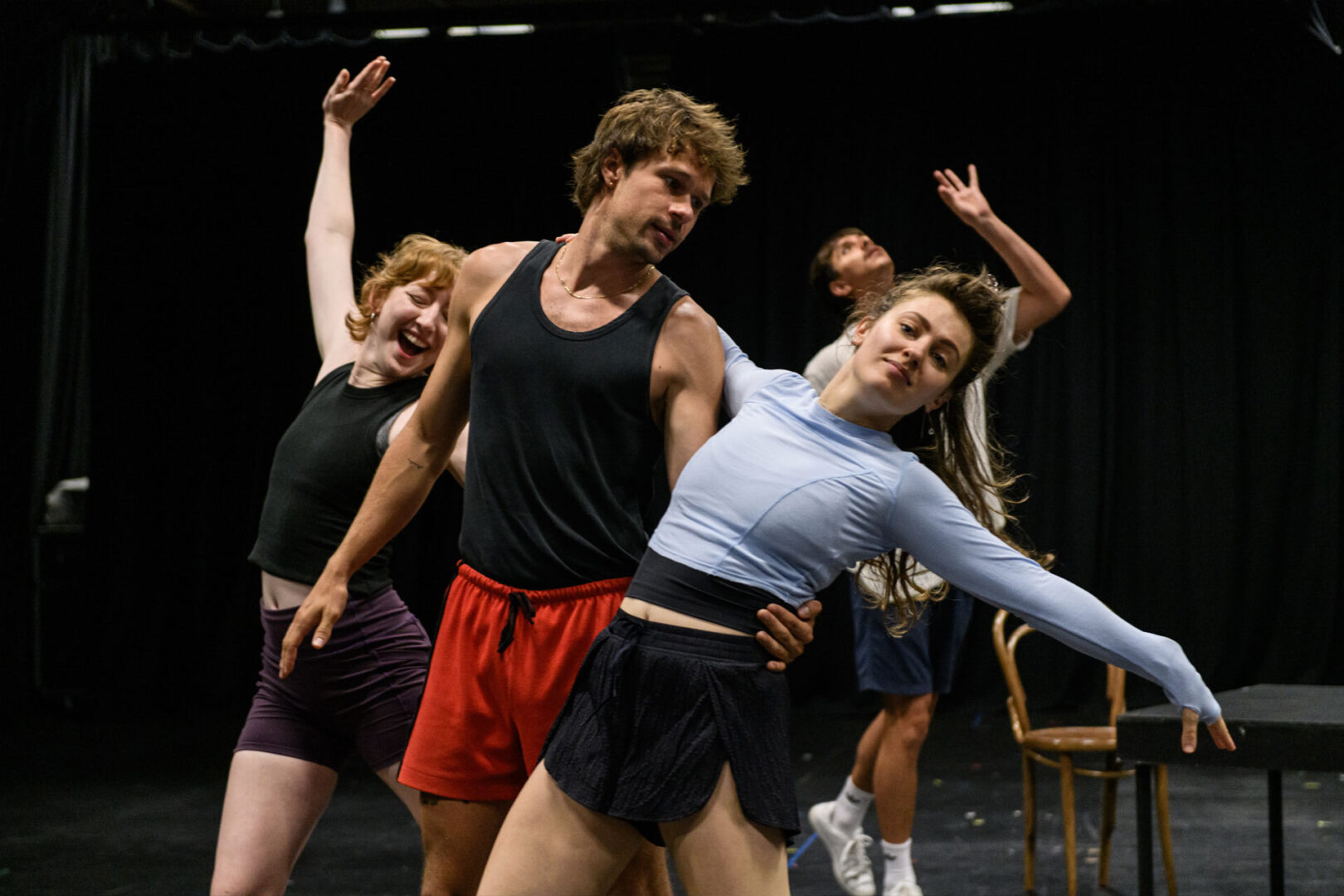
It’s an impulse that informed Movement Director, Choreographer and Intimacy Coordinator Nerida Matthaei, who dug through the archives of 1920s reference material to find surprising moves that we still see on our dancefloors today. Nerida’s choreography also helps us capture the romanticism and lyricism of F. Scott’s prose, using the body to summon snatches of the dangerous energy of a world on a tipping point. Similarly, Trent Suidgeest’s lighting design summons dazzle and darkness; appearing and disappearing fragments of story from smoke, conjuring fabulous parties alongside moments of romantic tragedy.
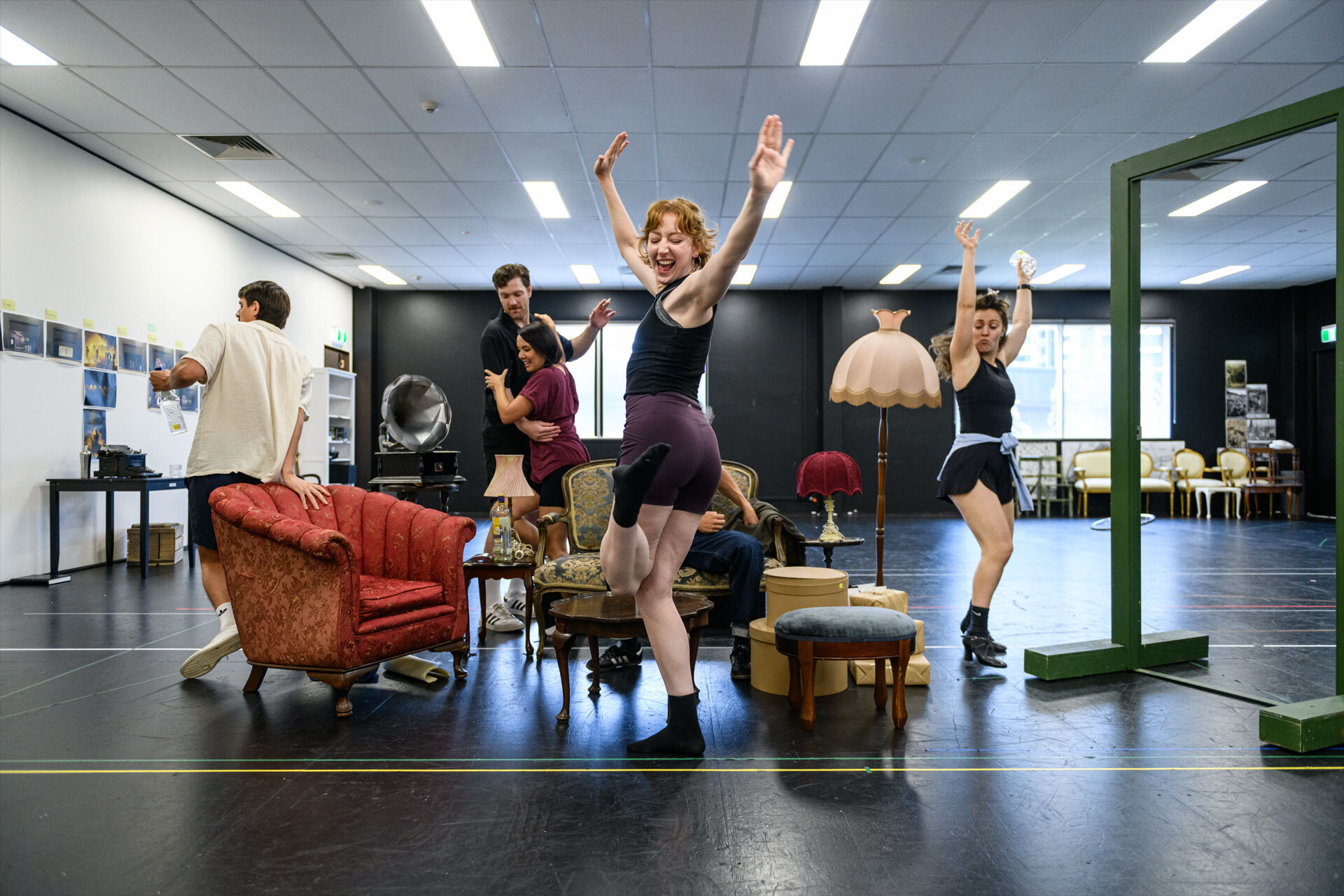
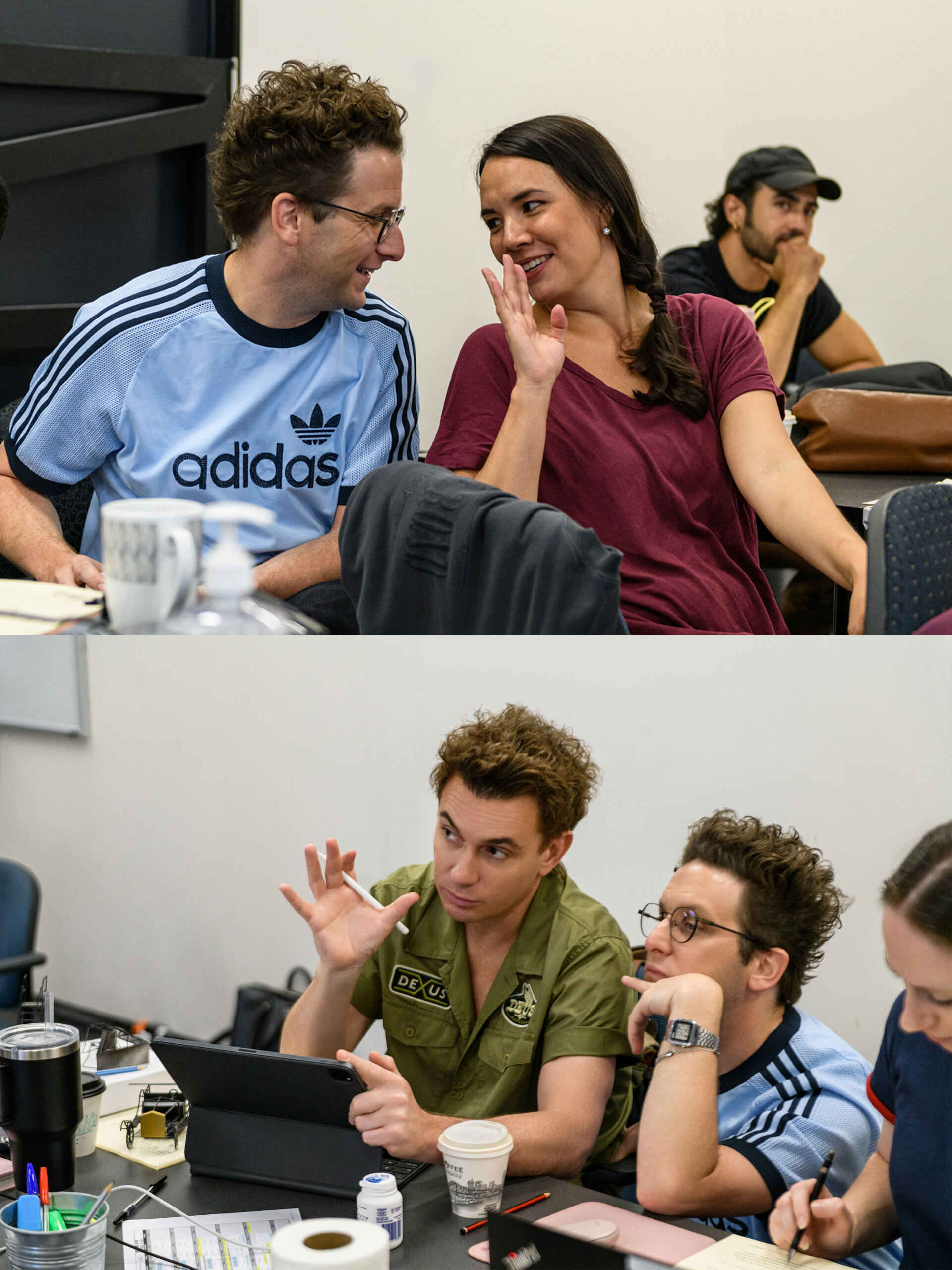
Gatsby — by his very name — demands an ambitious production and we are deeply indebted to a cavalcade of creatives, makers and maestros who have lent their incredible talents to the realisation of this production. Not least among them are our army of costume makers led by Associate Costume Designer Nat Ryner, Dramaturg Saffron Benner, Producers Ari Palani and Ross Balbuziente, the Stage Management team of Yanni Dunler, Maddison Penglis, and Georgia Gould.
And, of course, our cast, who play upwards of 85 characters between them in a marathon of costume changes, voice, song, dance and daring.
This fabulous ensemble — Ryan Hodson, Loren Hunter, Nelle Lee, Ethan Lwin, Libby Munro, Donné Ngabo, Rachel Nutchey, Shiv Palekar, Jess Vickers, Jeremiah Wray, Brigitte Freeme and Sean Sinclair — have left us breathless with their courage, talent and stamina.
The deck was stacked in 1920s America — by race, by class, by gender — and violence, both loud and quiet, enforced who belonged and who did not. The American Dream promised that anyone could rise, but it was never really everyone’s dream to achieve. A century on, the fallacy of this dream threatens another tectonic movement that is shifting global social order forever.
The Great Gatsby is not a period piece but a living warning about unchecked desire — ambition dressed as obsession, power built on exclusion, and the stories we tell ourselves to keep reaching for what we fear to lose. Beneath the champagne and spectacle is a man alone in a crowd, grasping for a promise just out of reach; and in 2026 that promise feels horrifyingly familiar, because the lie still sparkles — and we are still willing to believe it.
Daniel Evans, Nelle Lee & Nick Skubij